BIHARI CAMPS
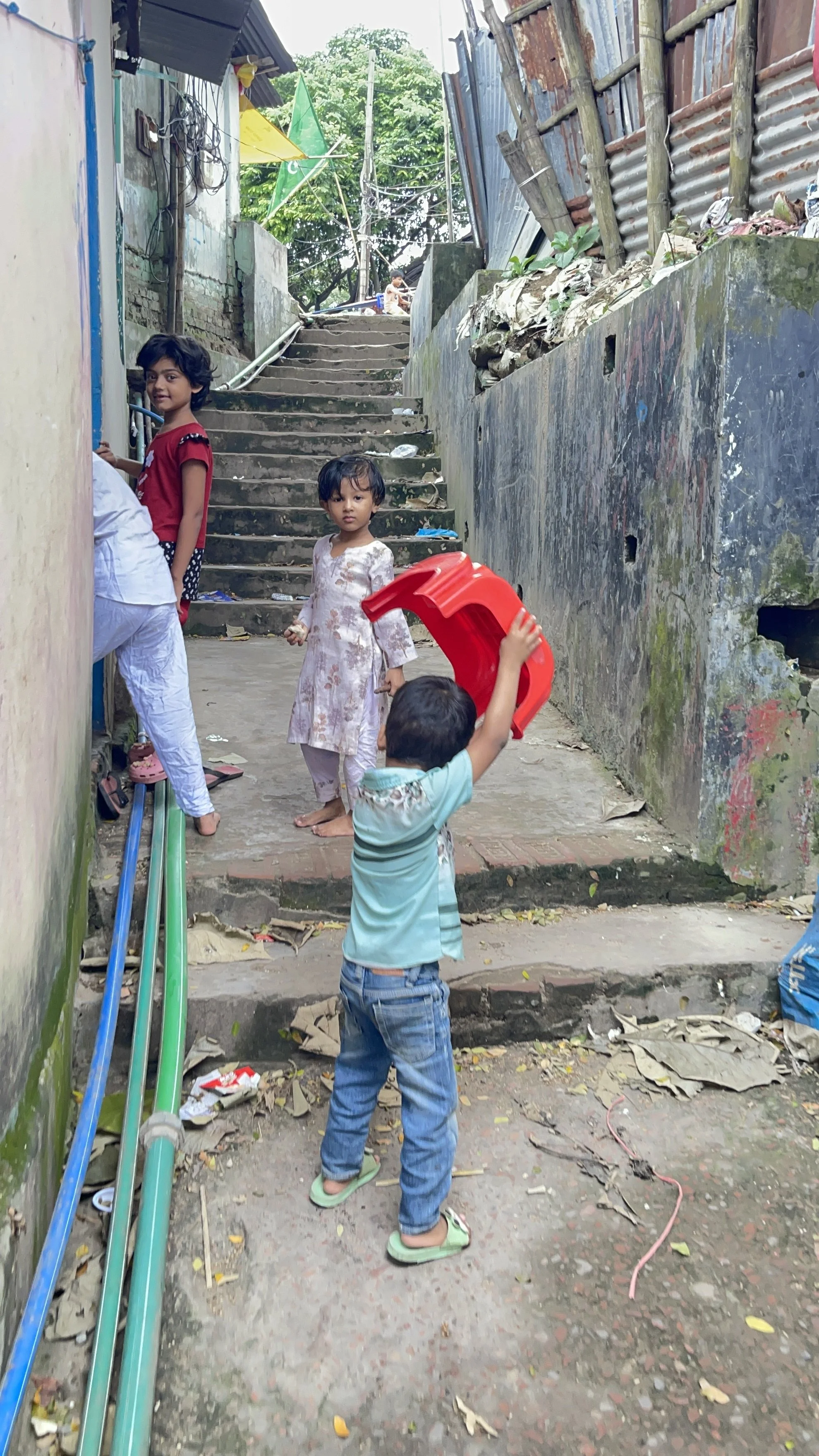
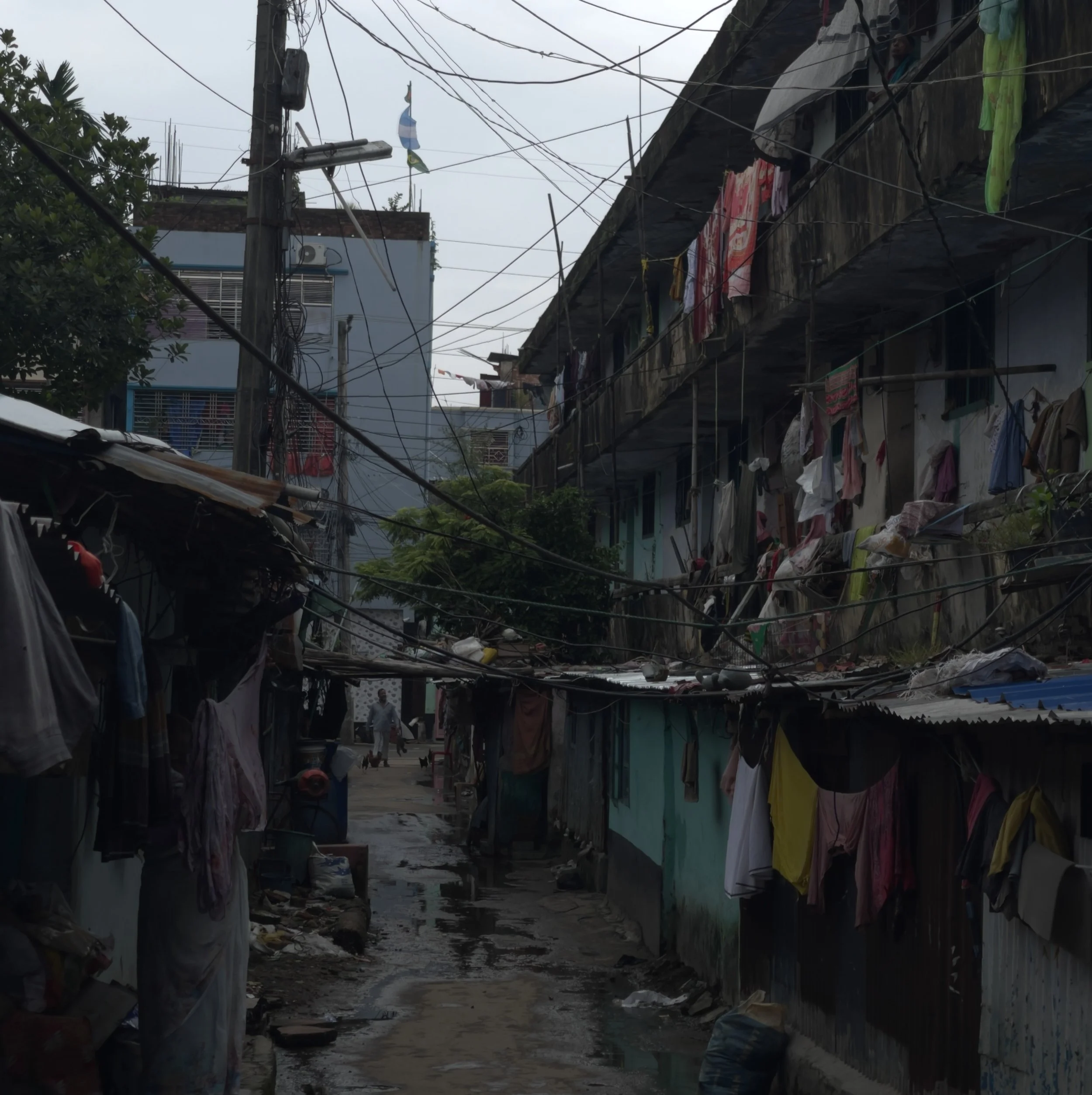
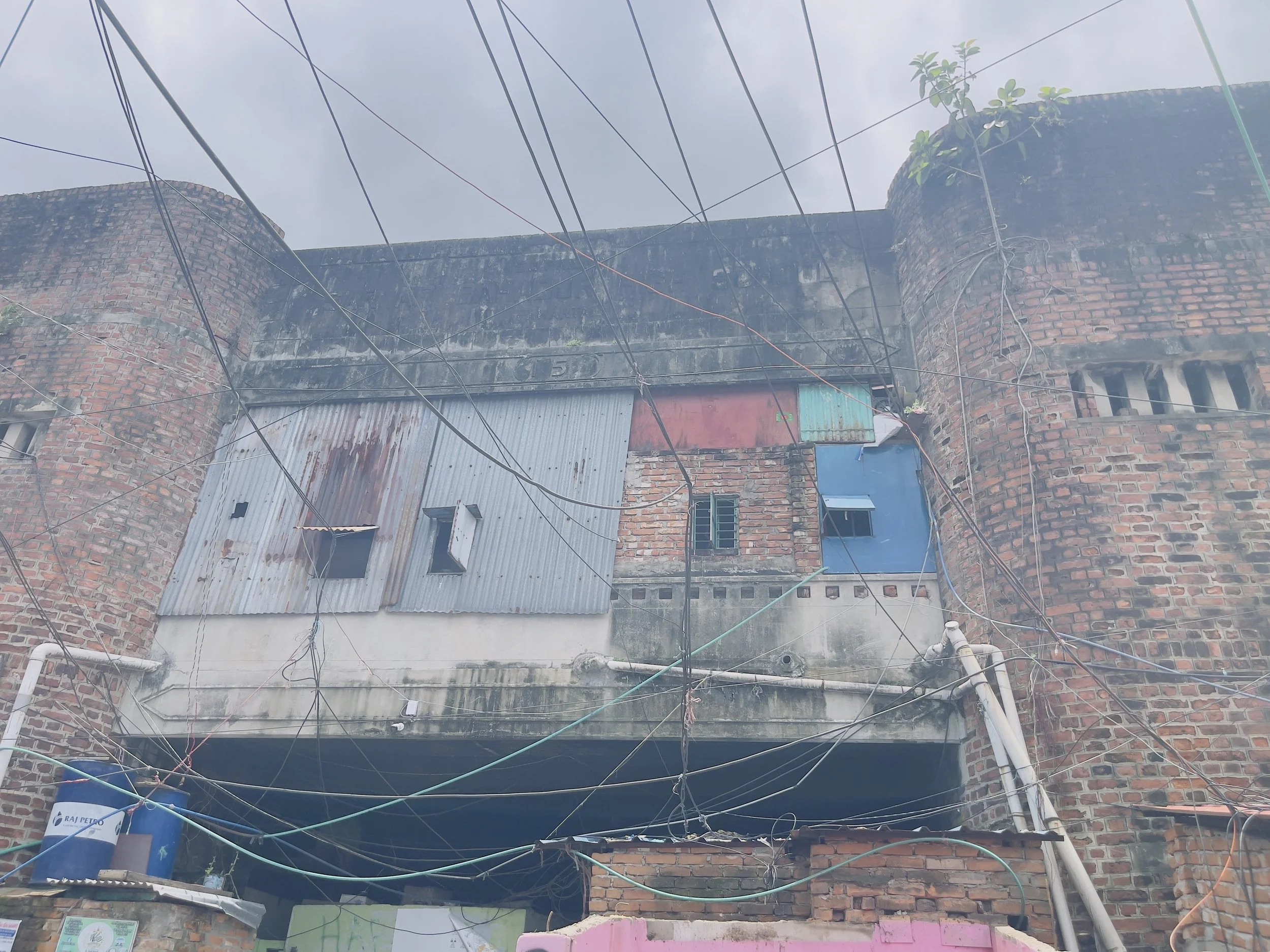
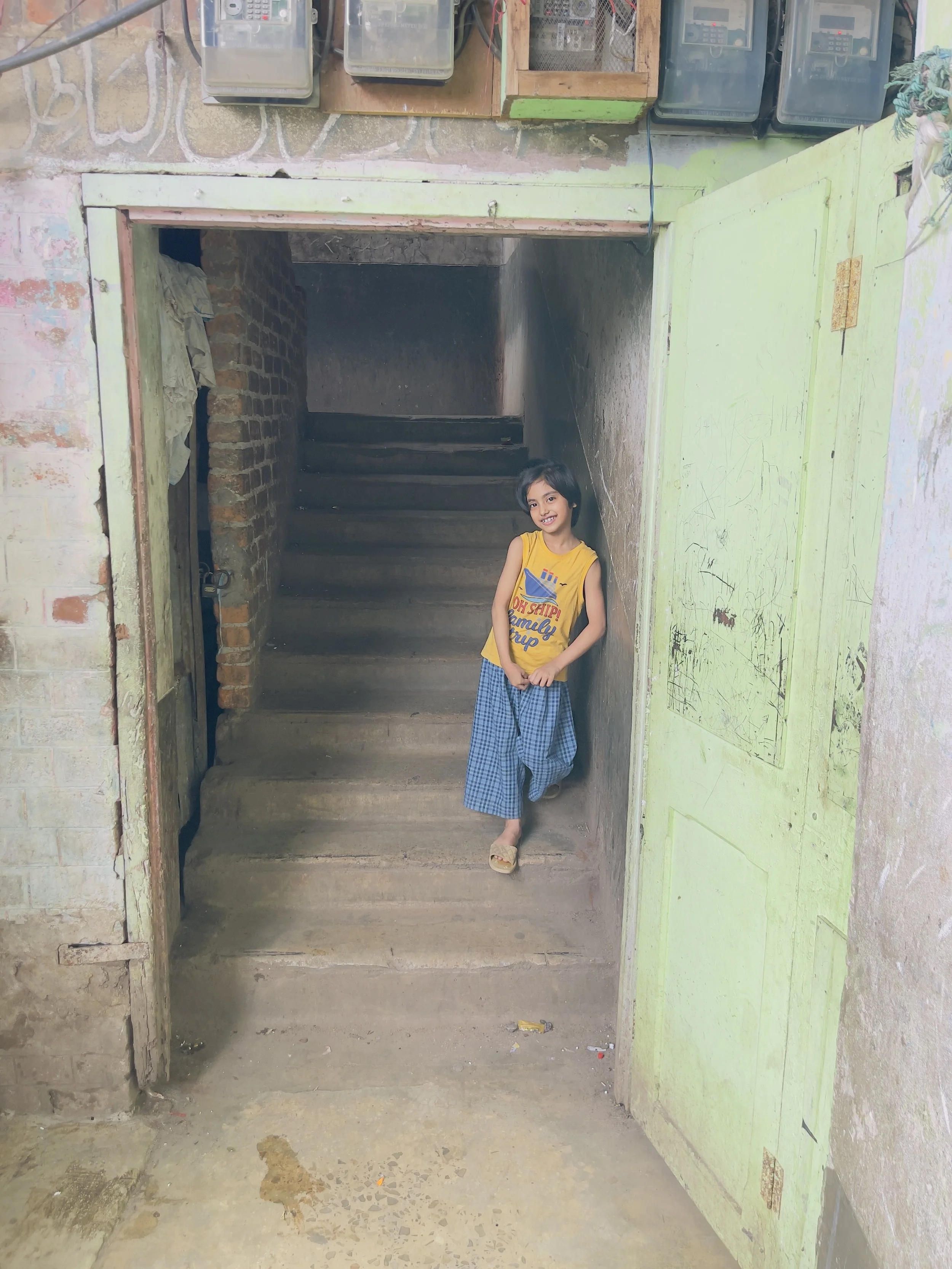
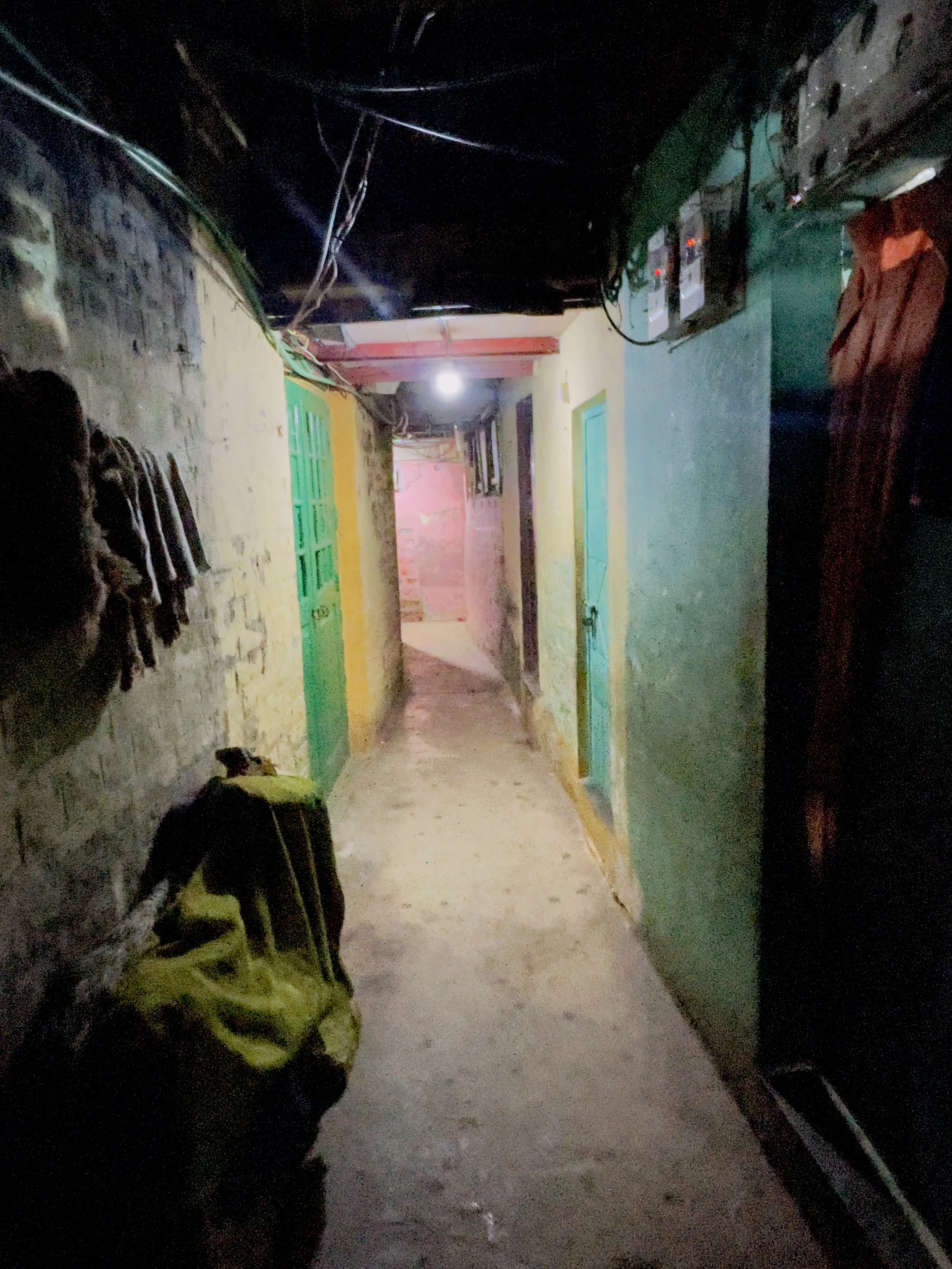
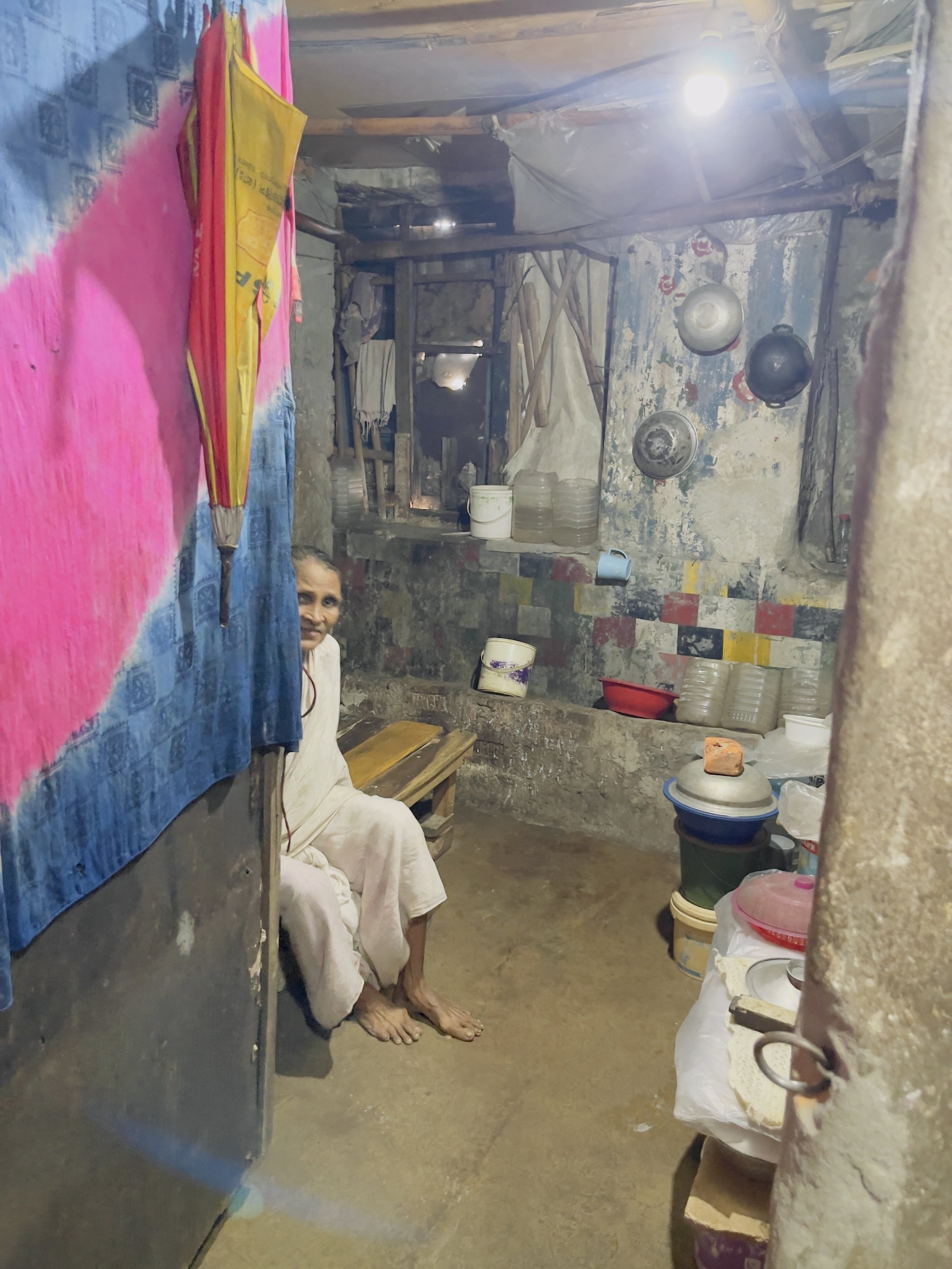
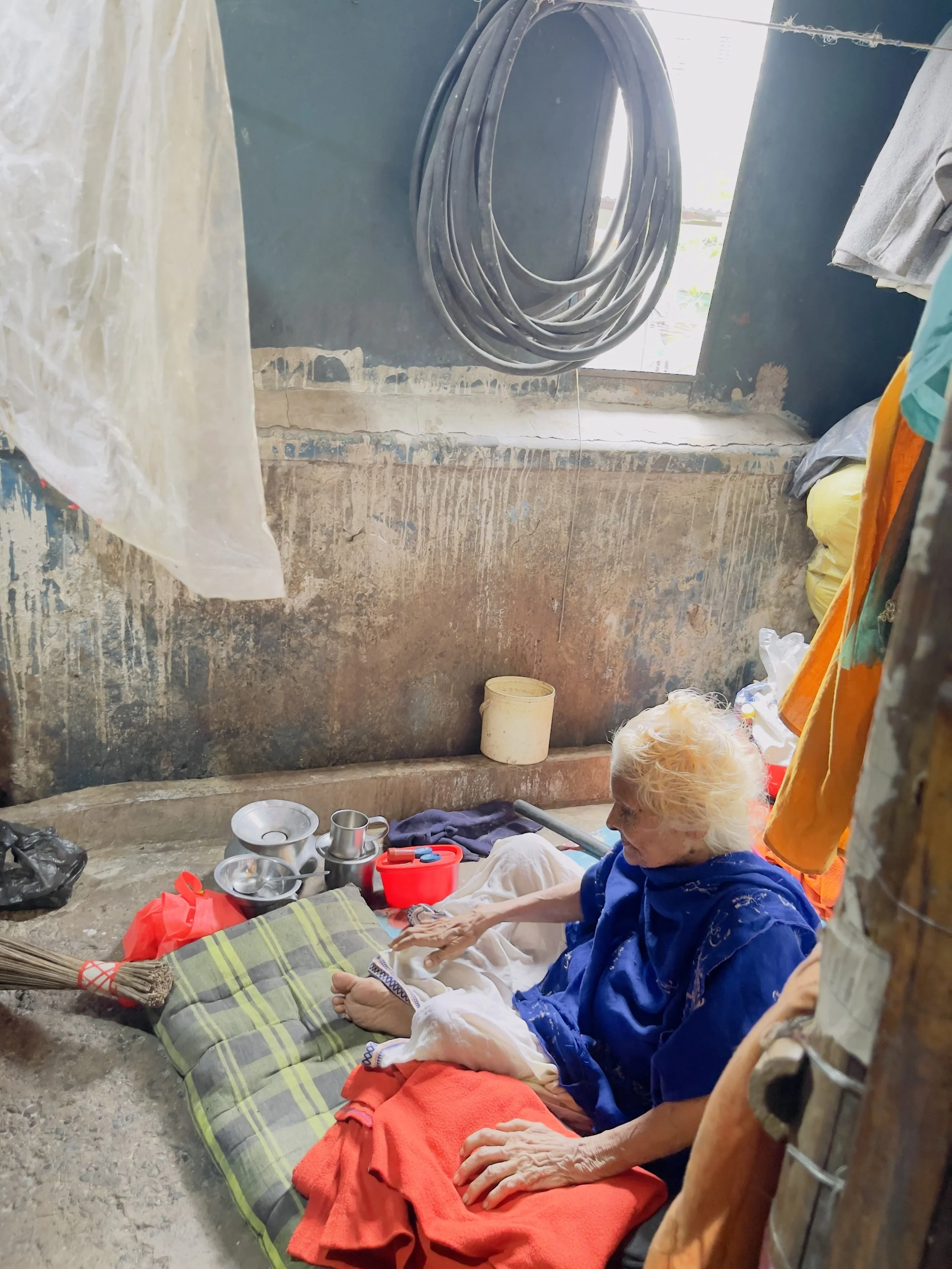
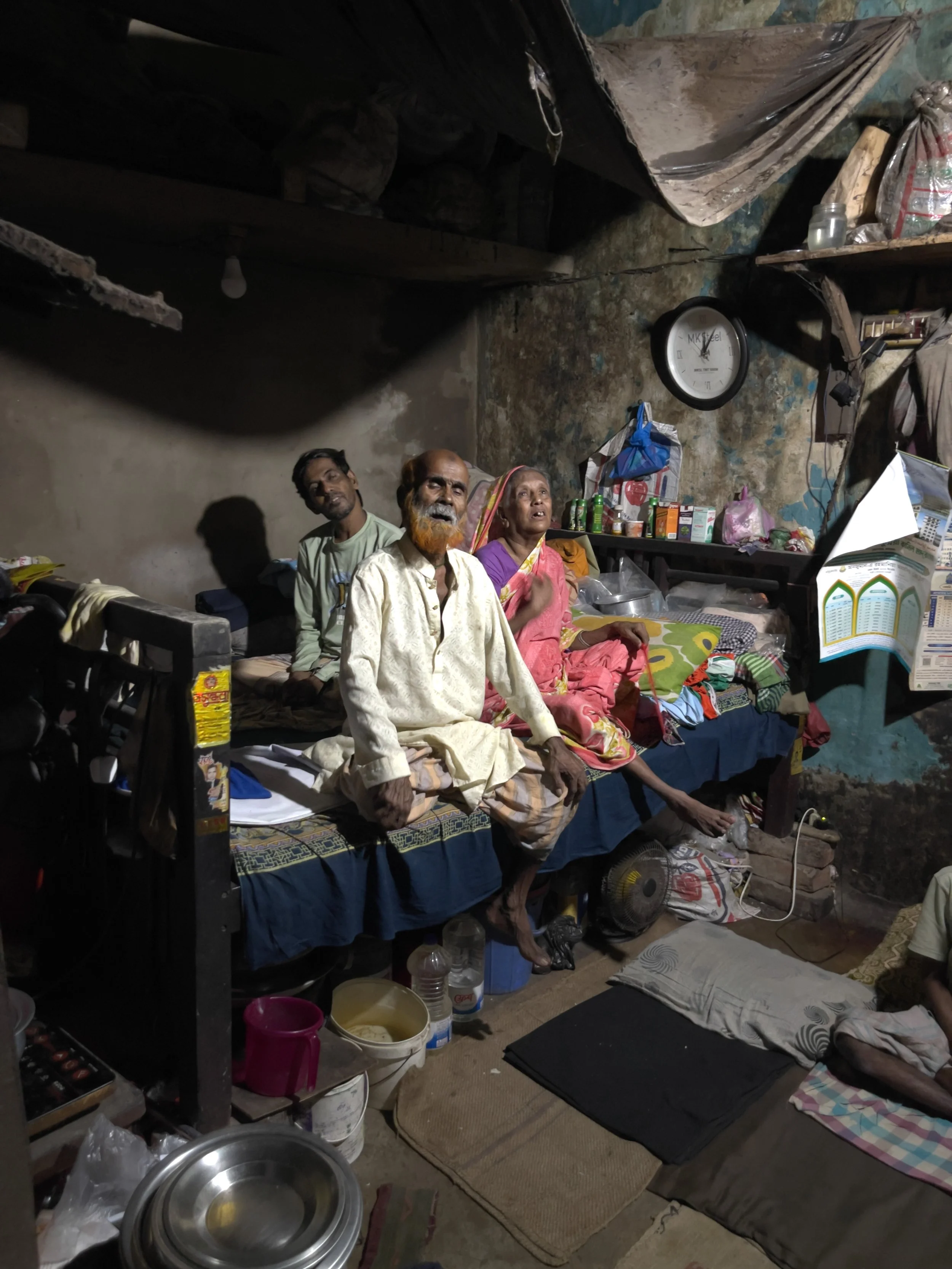
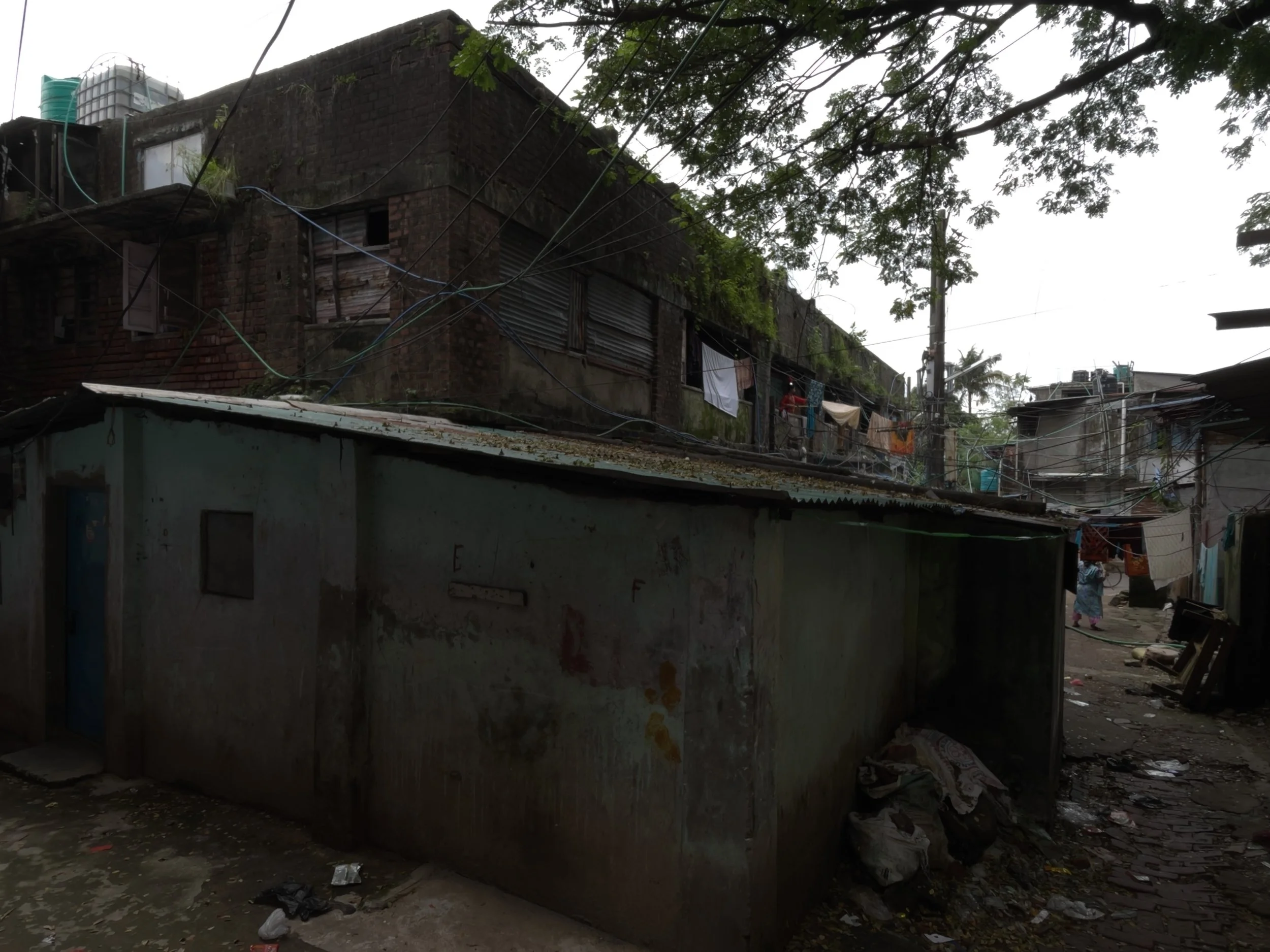
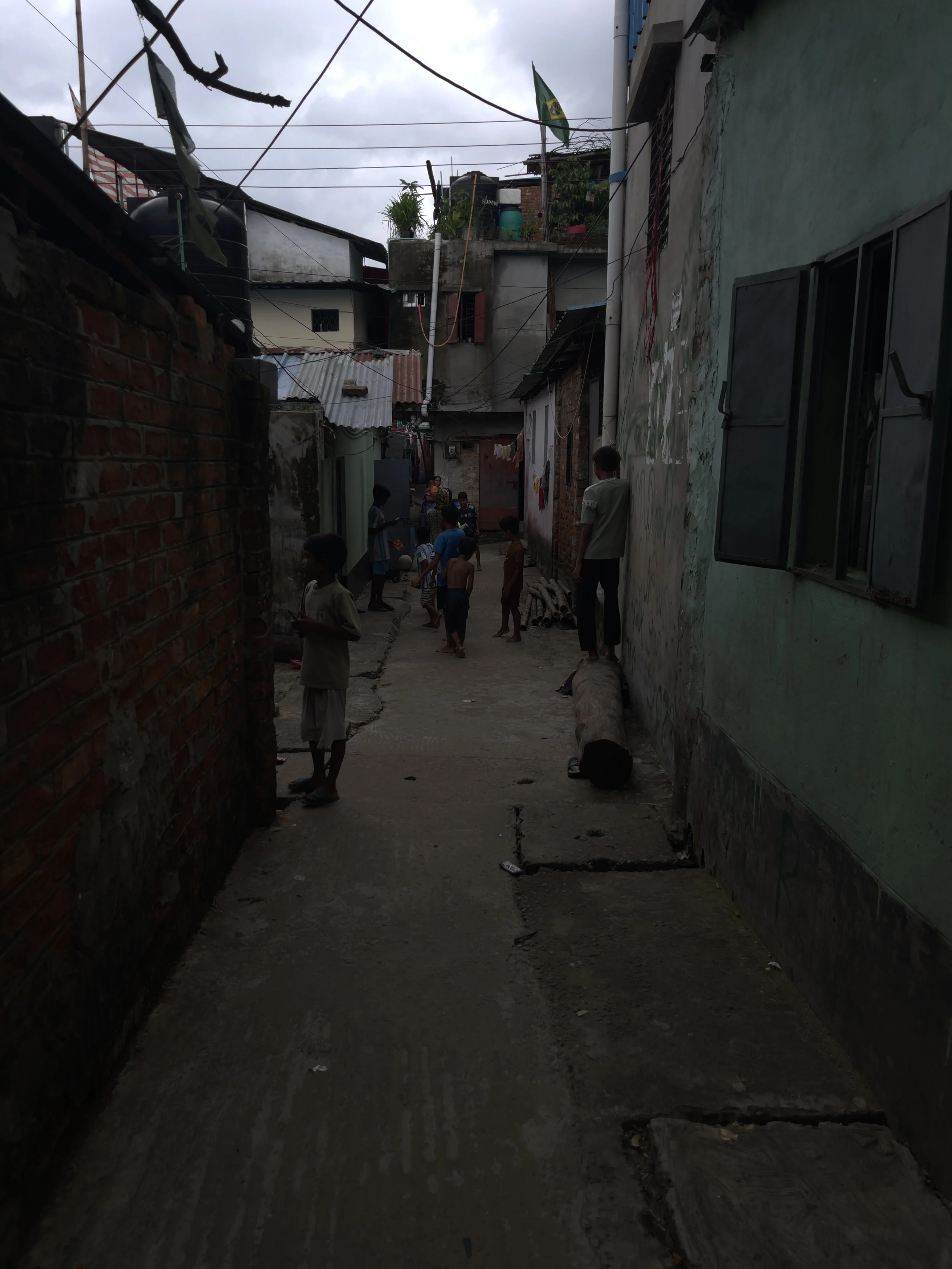
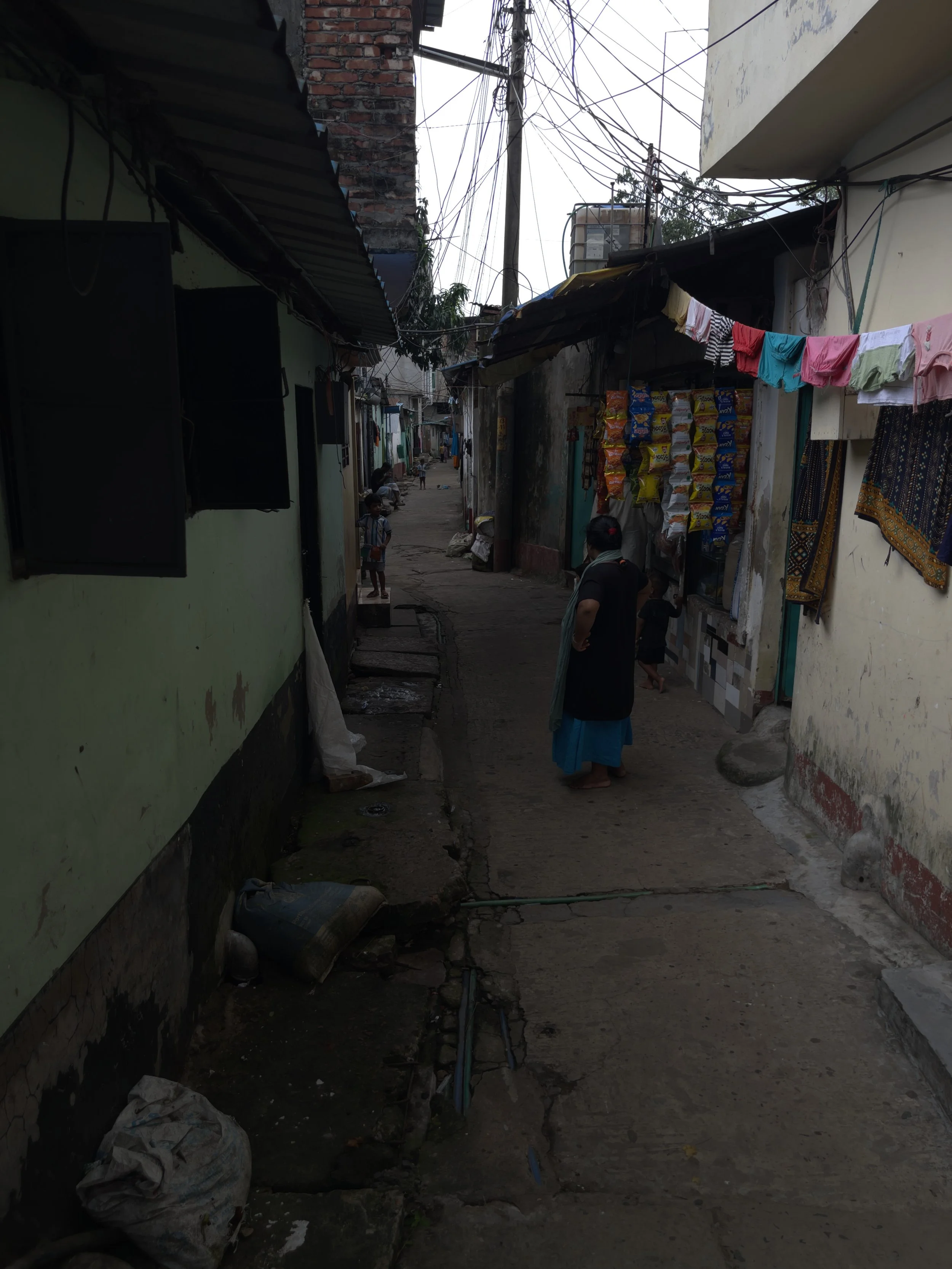
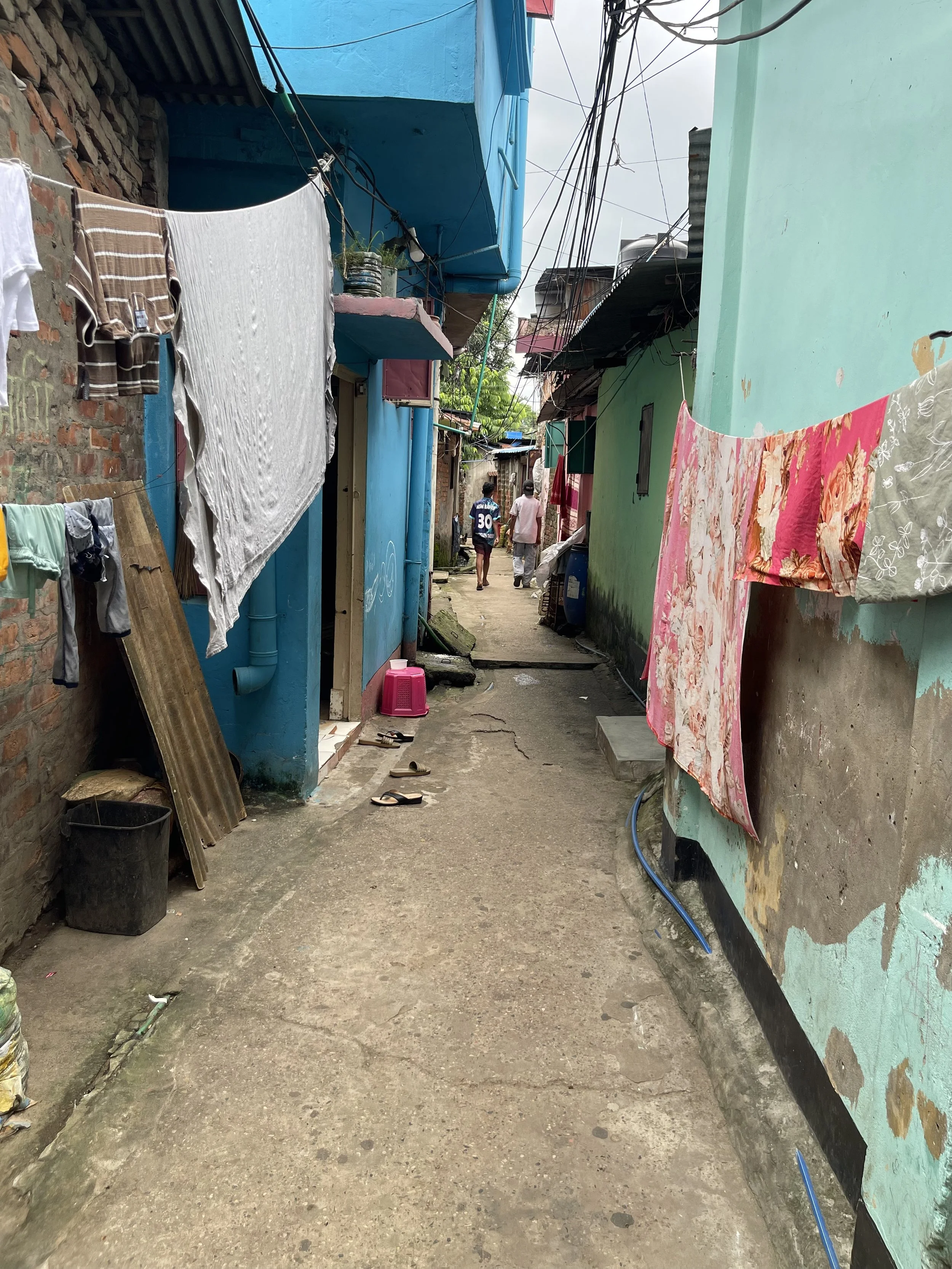
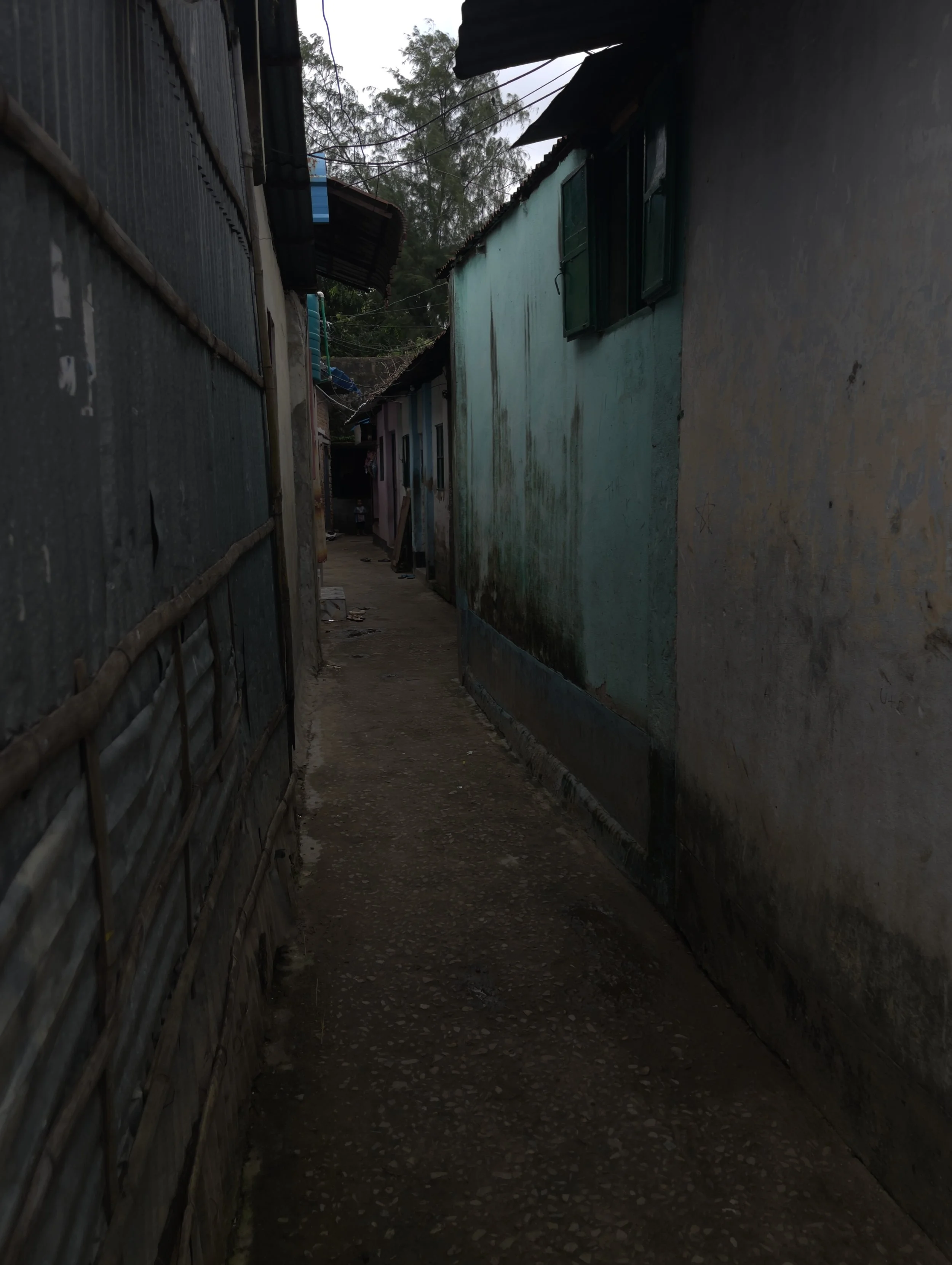
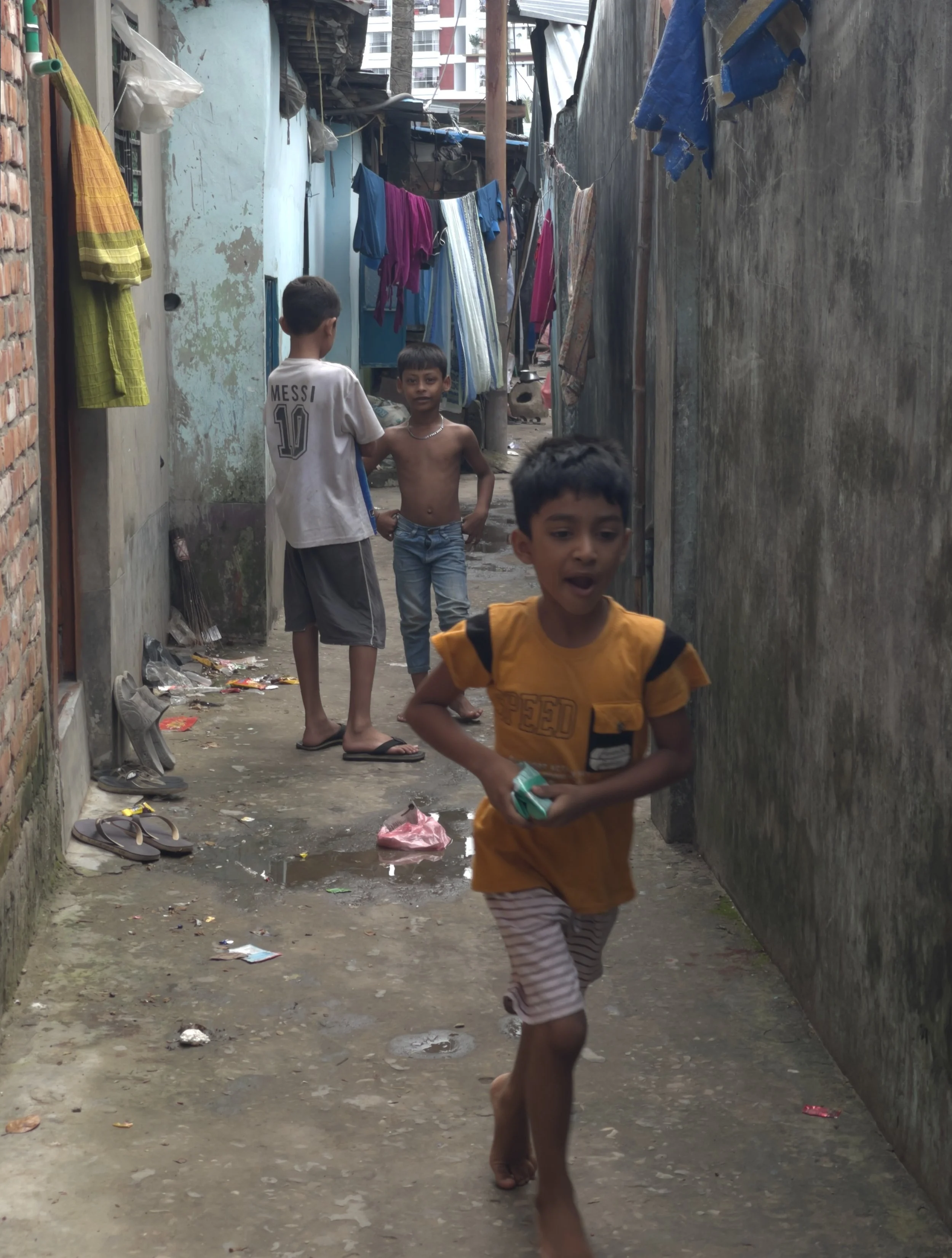
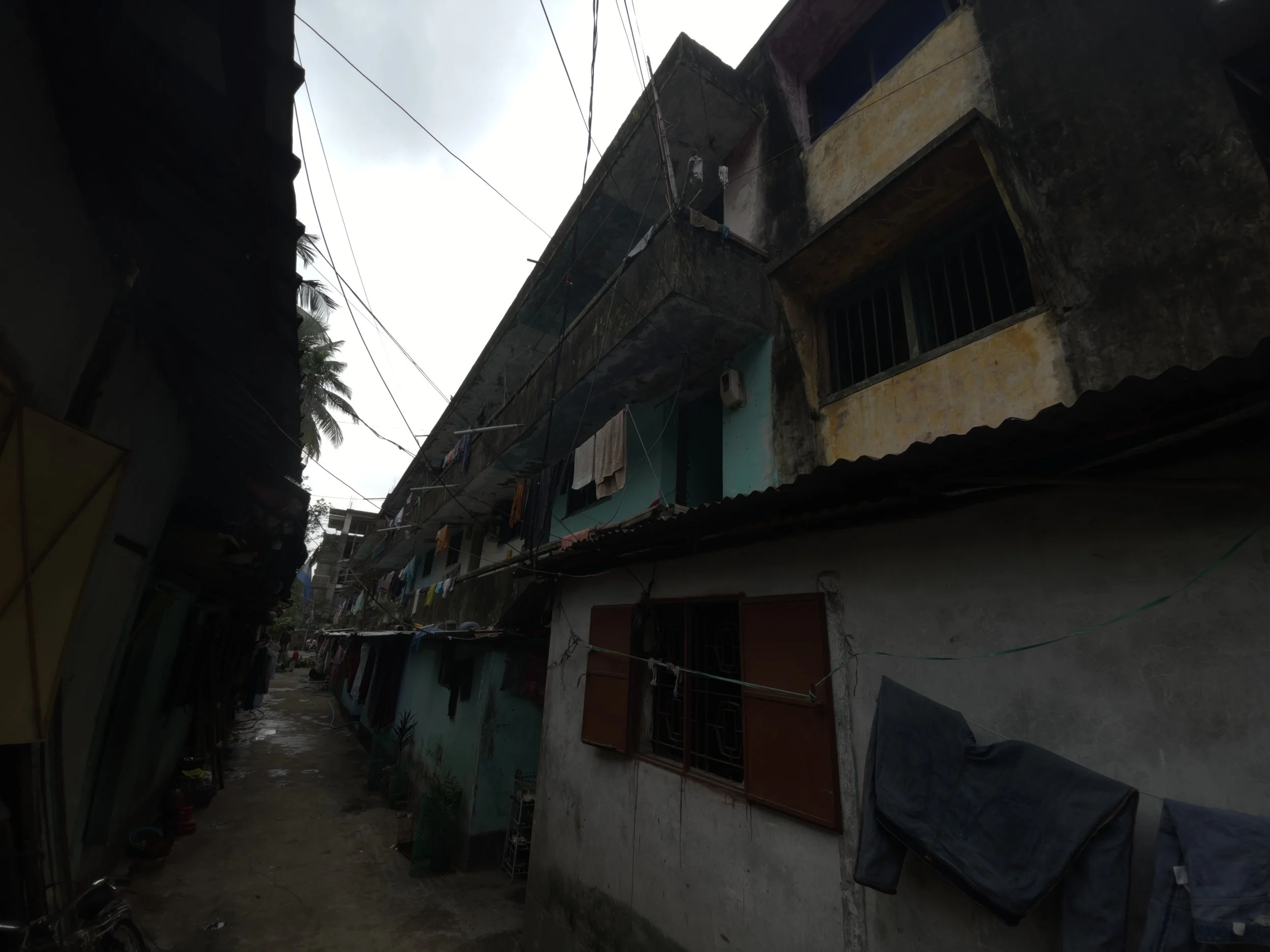
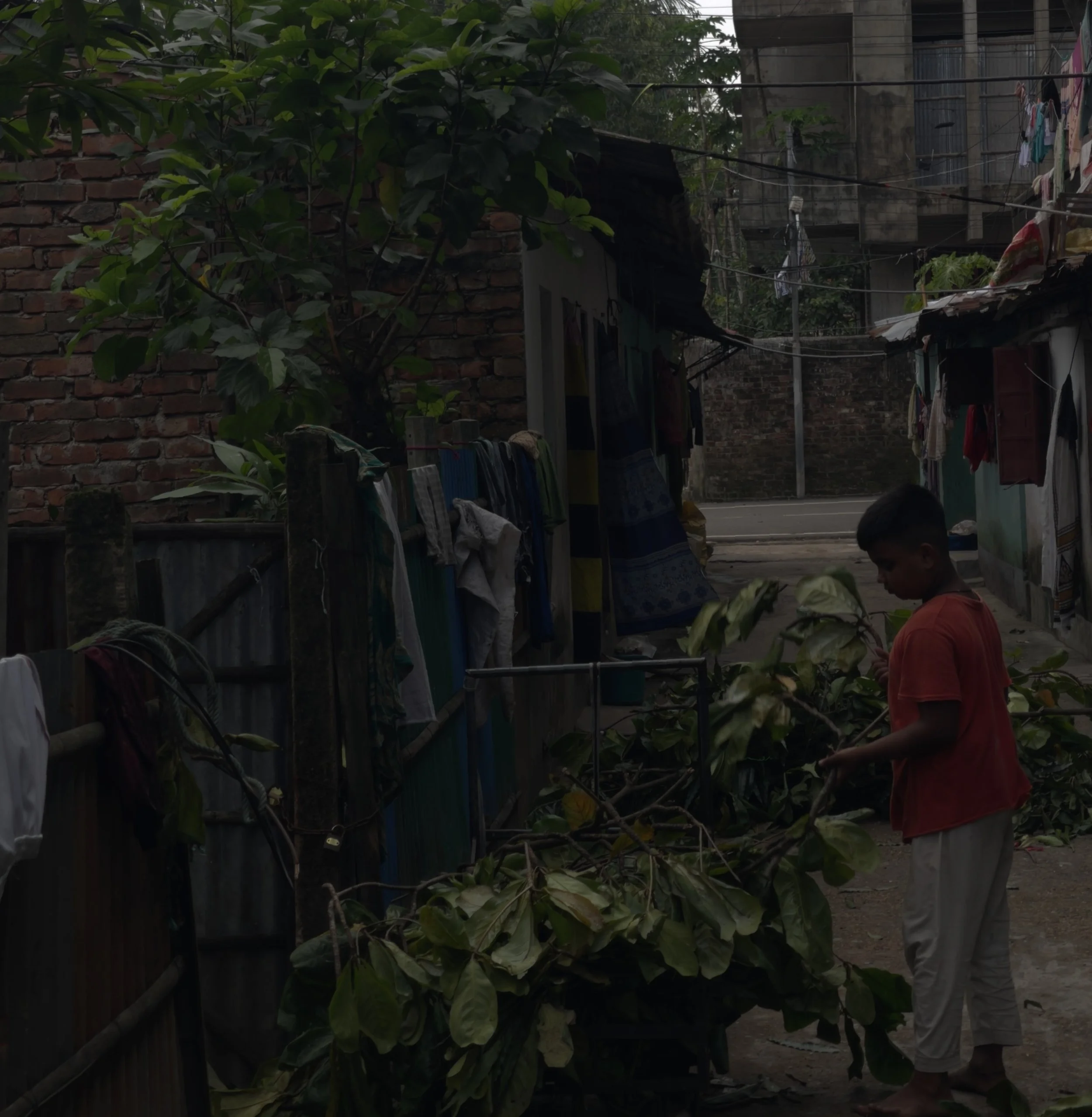
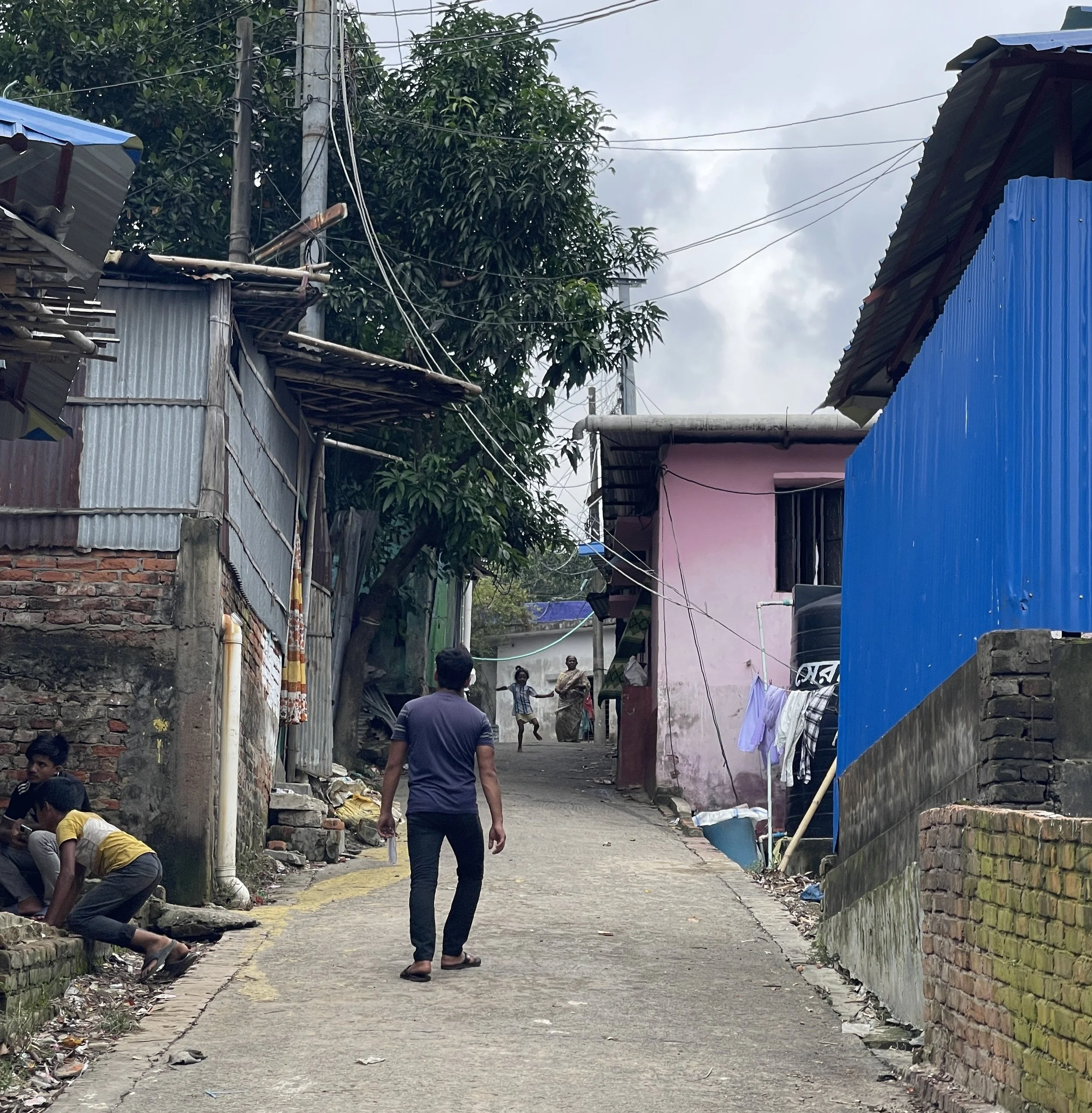
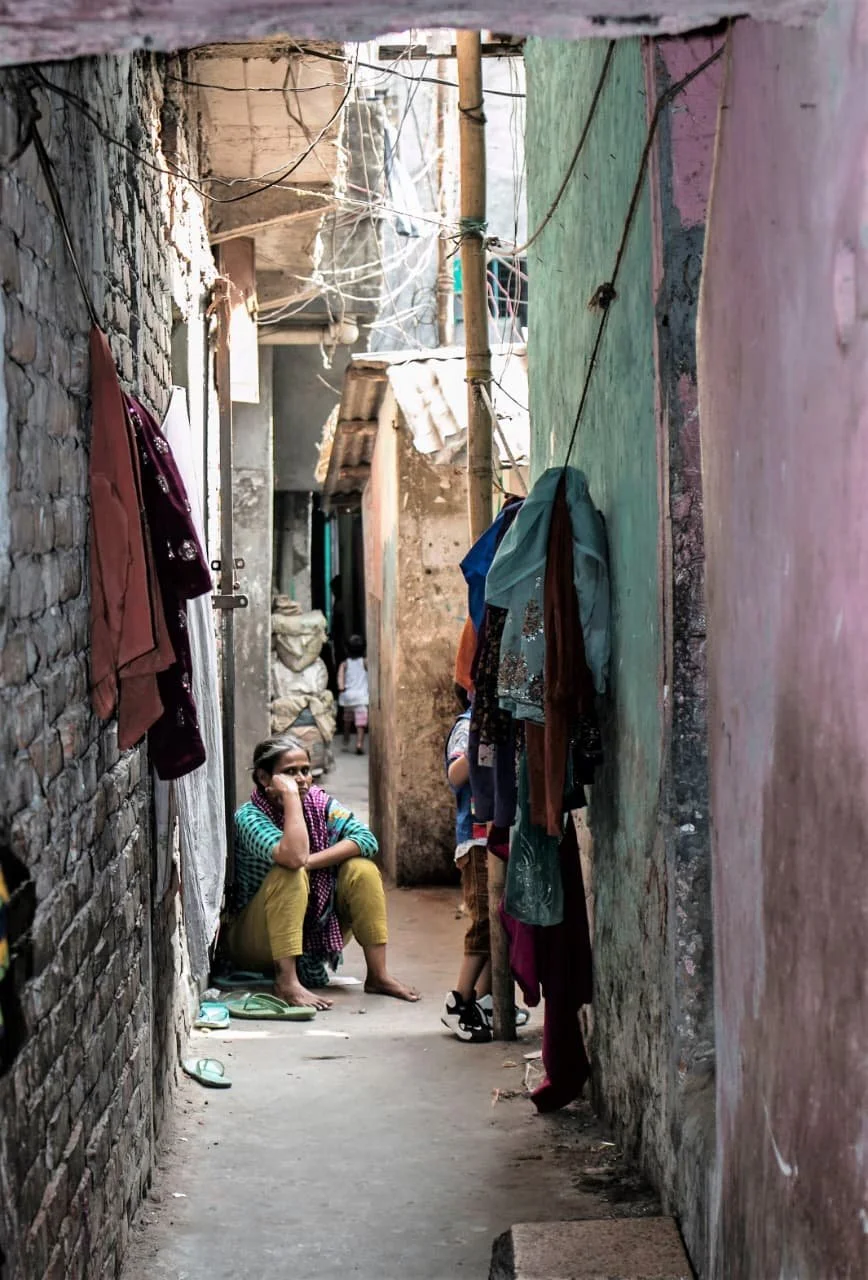
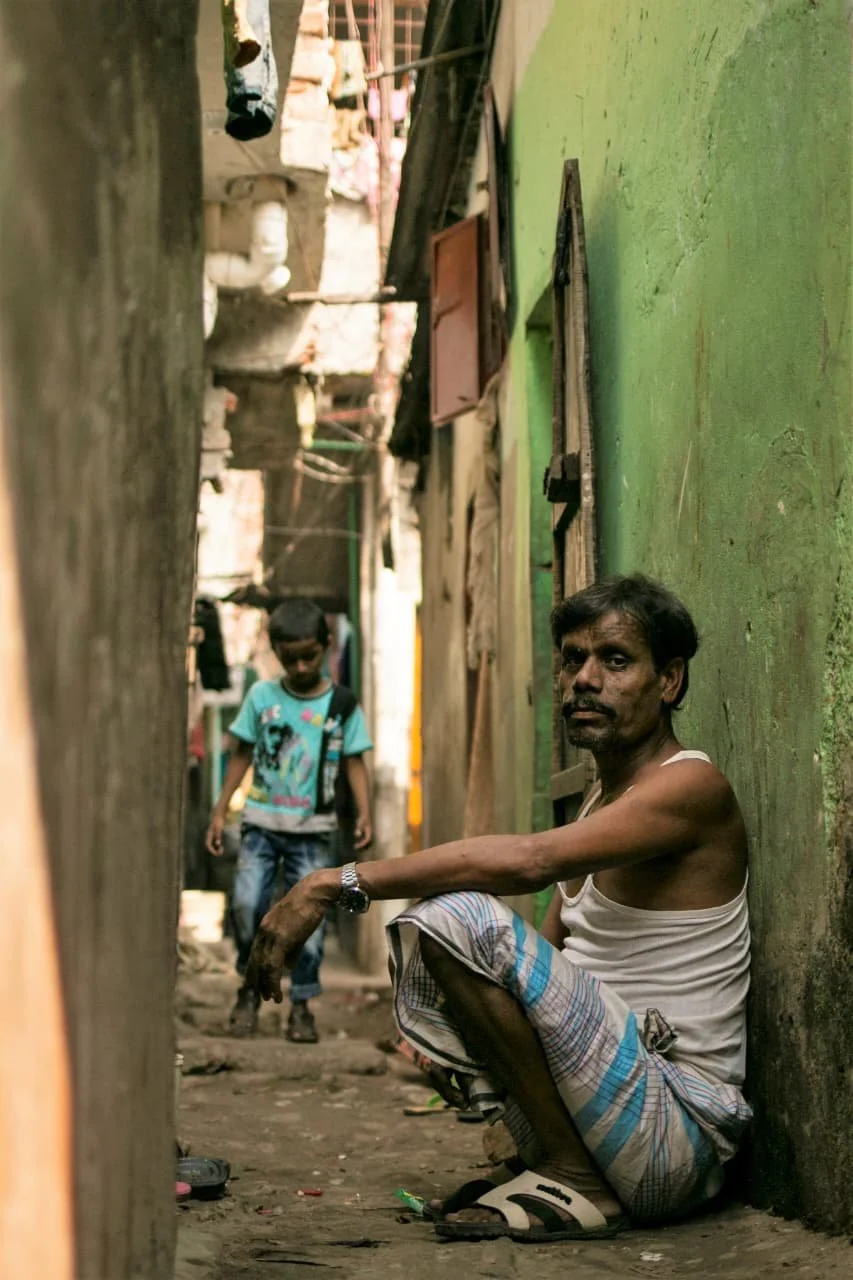
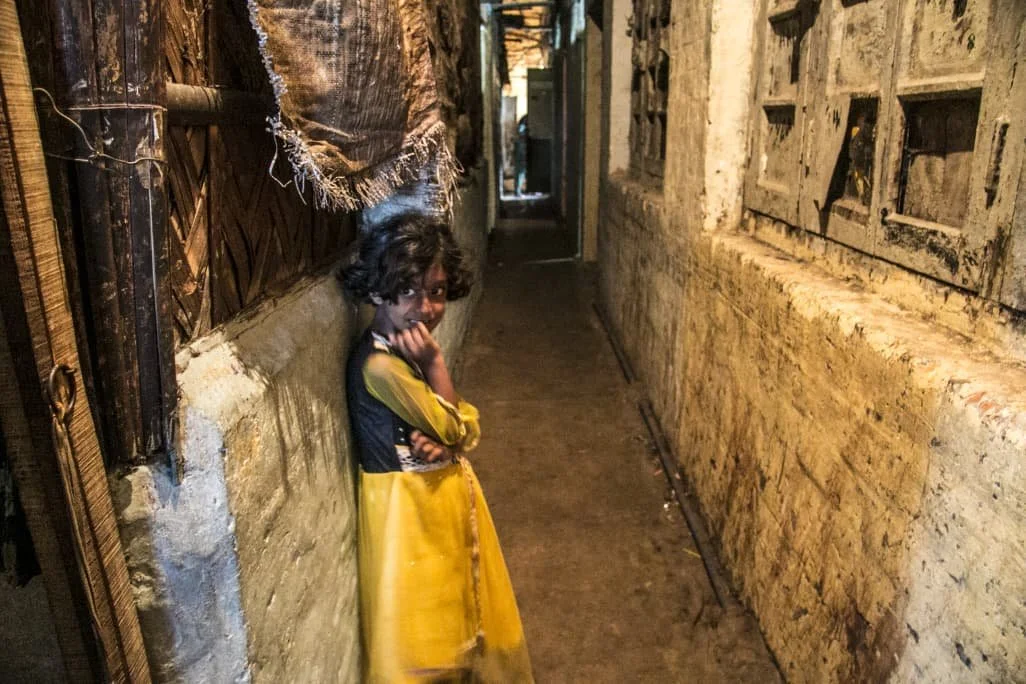
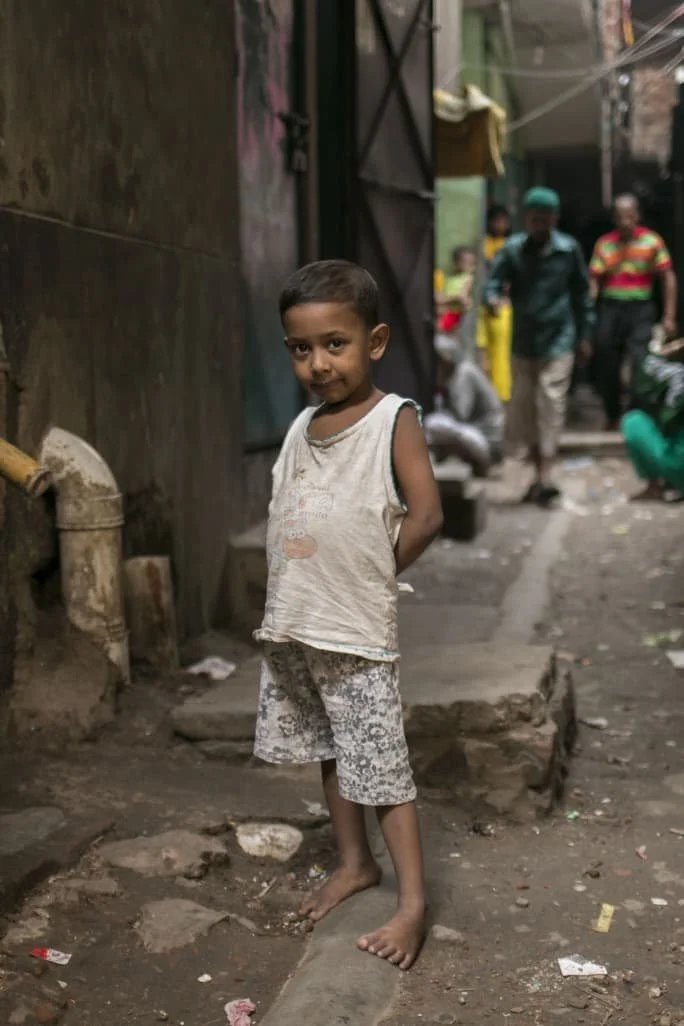
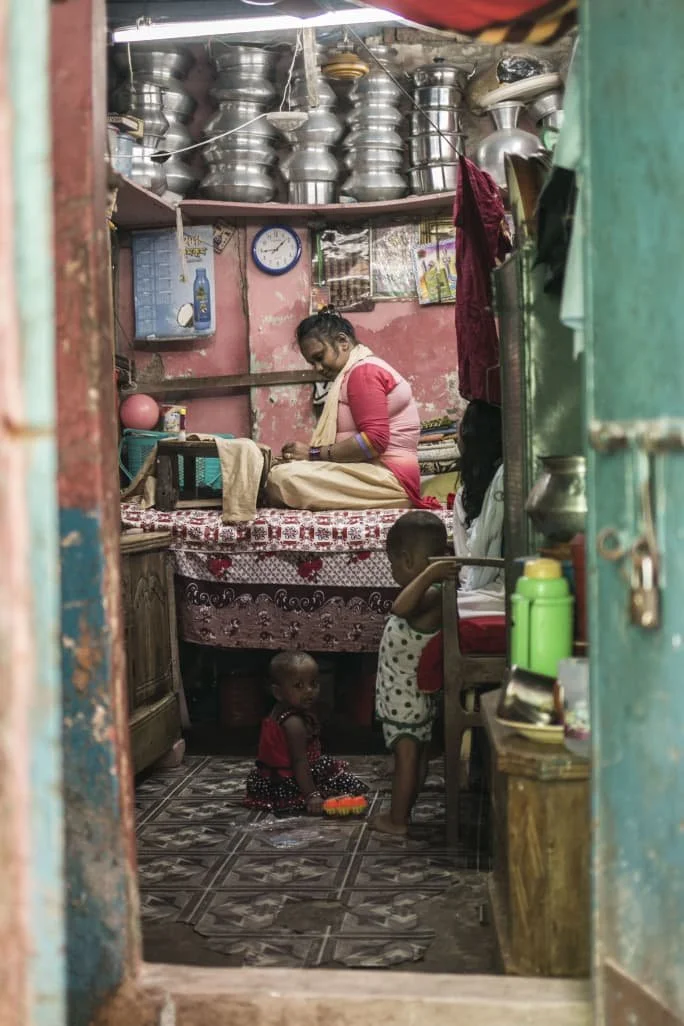
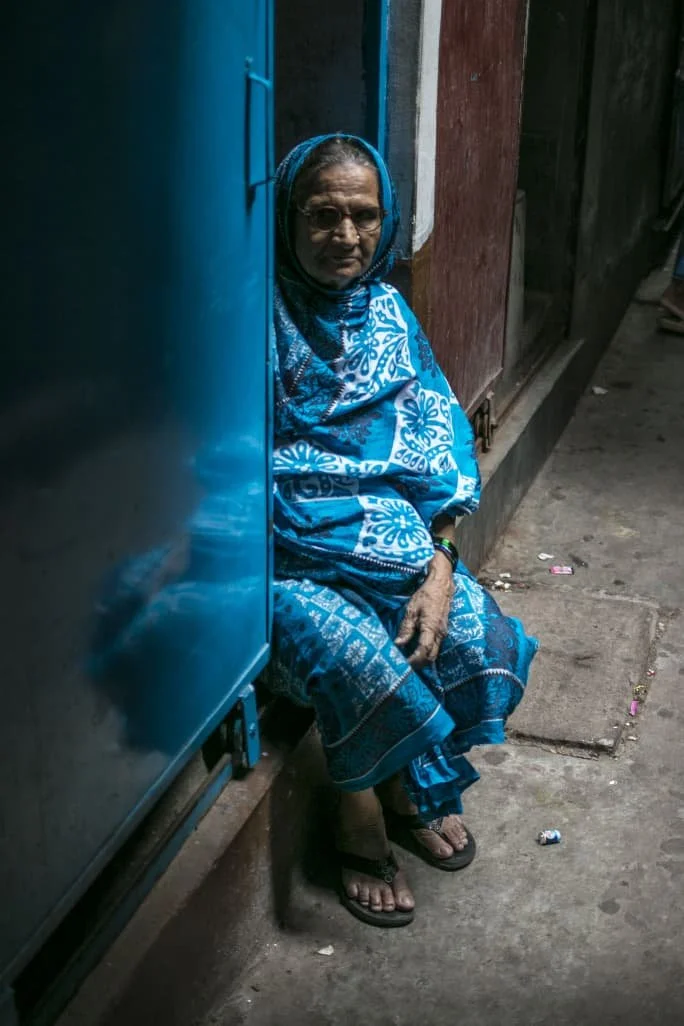
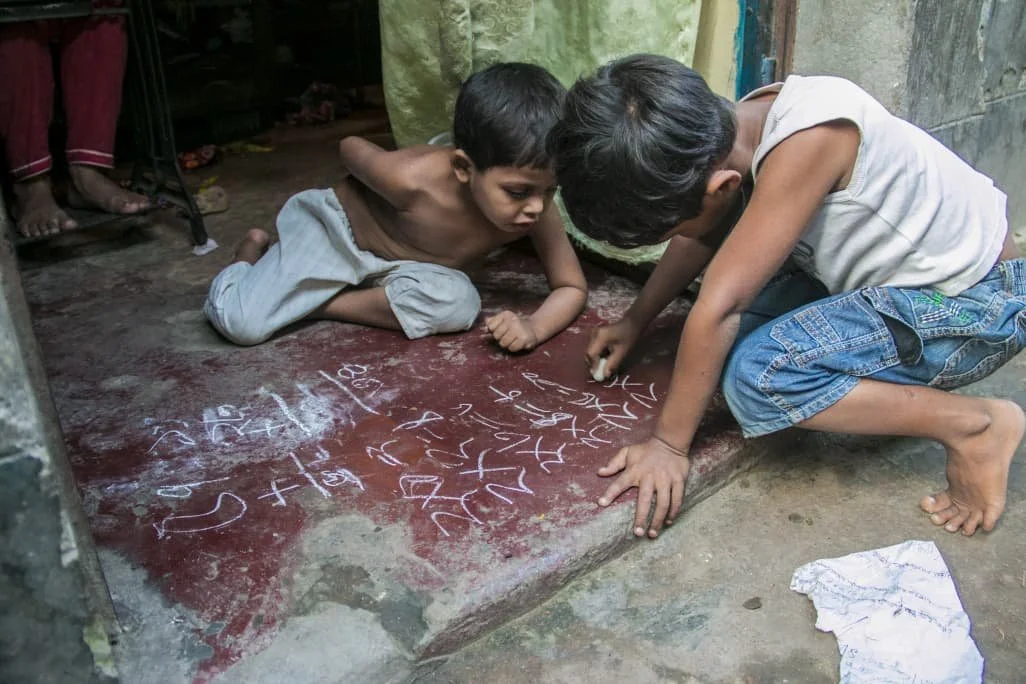
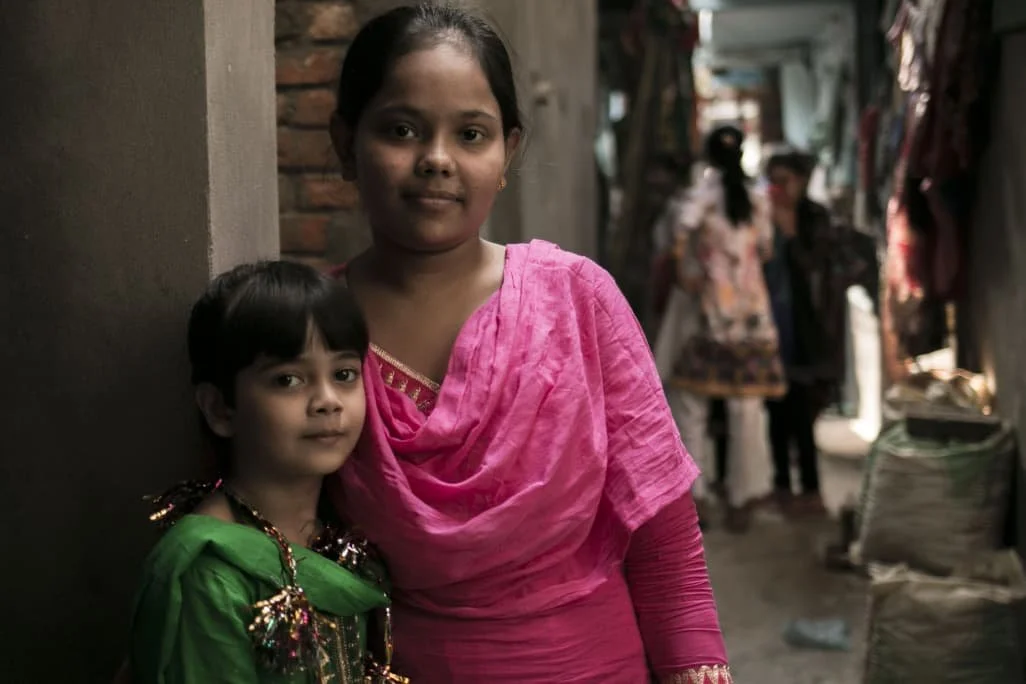
At the time of OBAT’s inception, the population it started serving was commonly known as Internally displaced Urdu-speaking Minorities , Biharis or Urdu speaking people. This community has been suffering silently in the countless slums or makeshift camps scattered across Bangladesh, for the past 50 years. Their displaced status and dire living conditions were a consequence of a civil war between East and West Pakistan and the unresolved political conflict between the two regions. Altogether, there are more than 300,000 people languishing in one hundred and sixteen makeshift camps in extremely poor conditions- they live in abject poverty with no access to basic amenities of living.
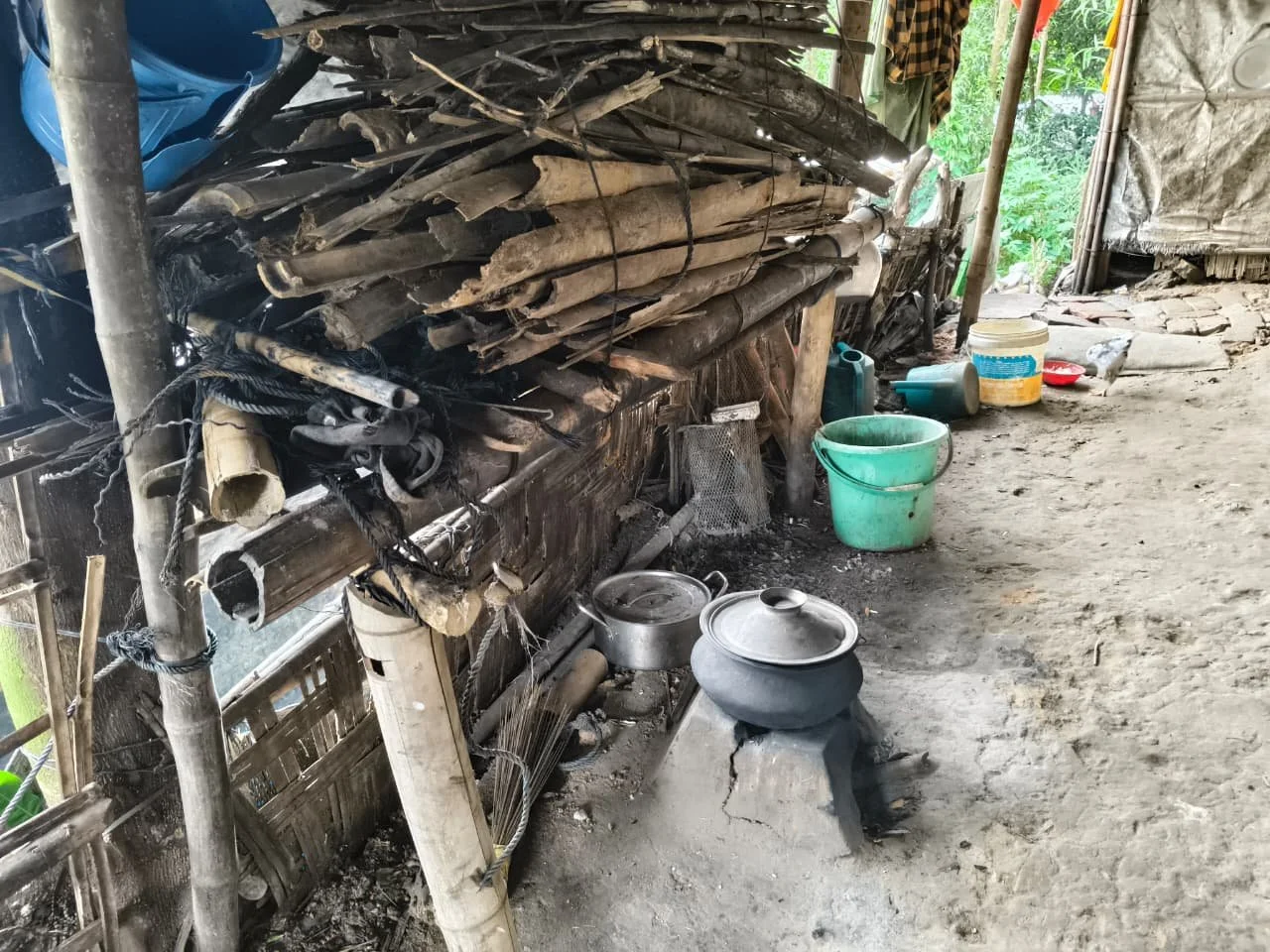
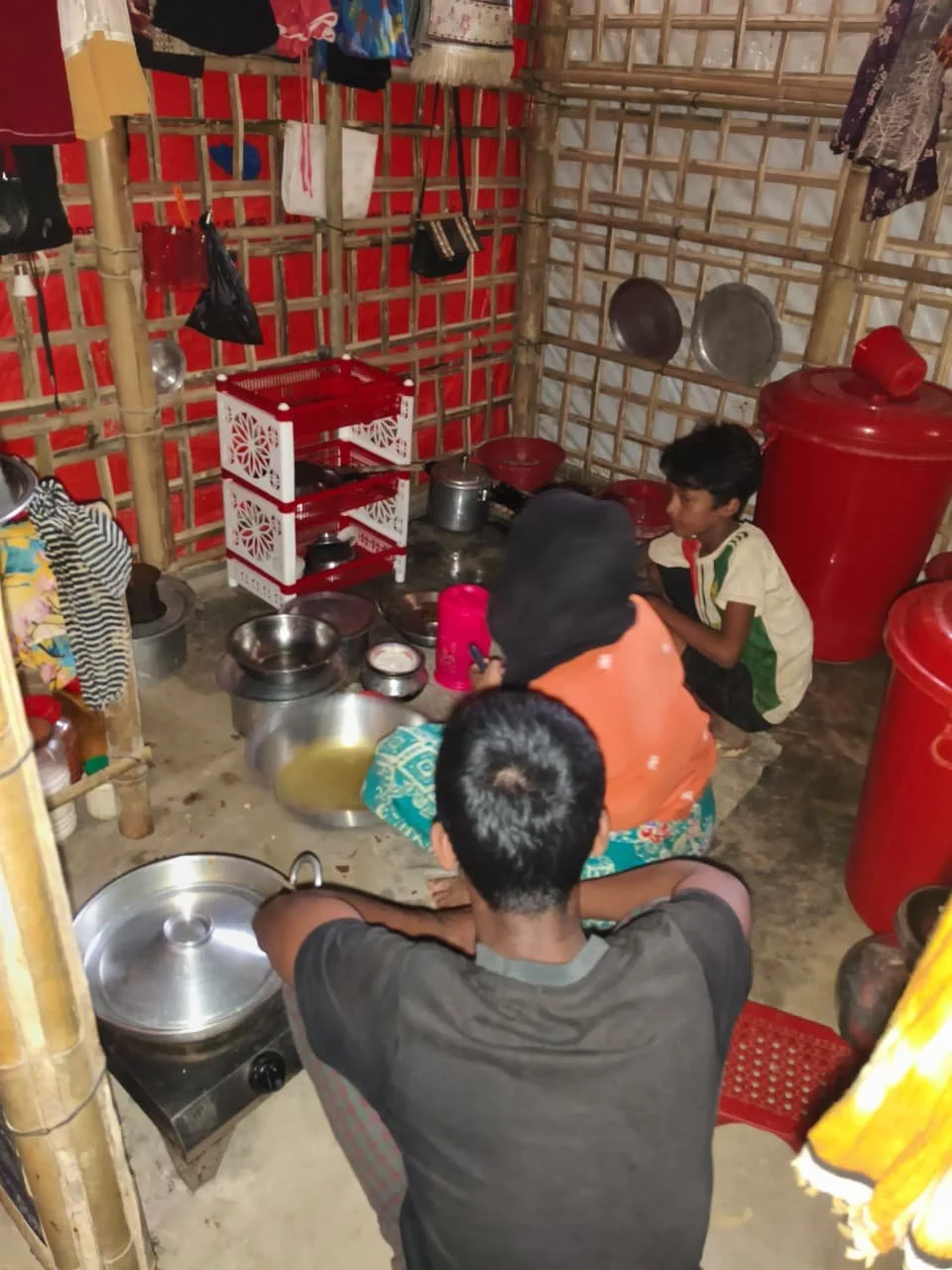
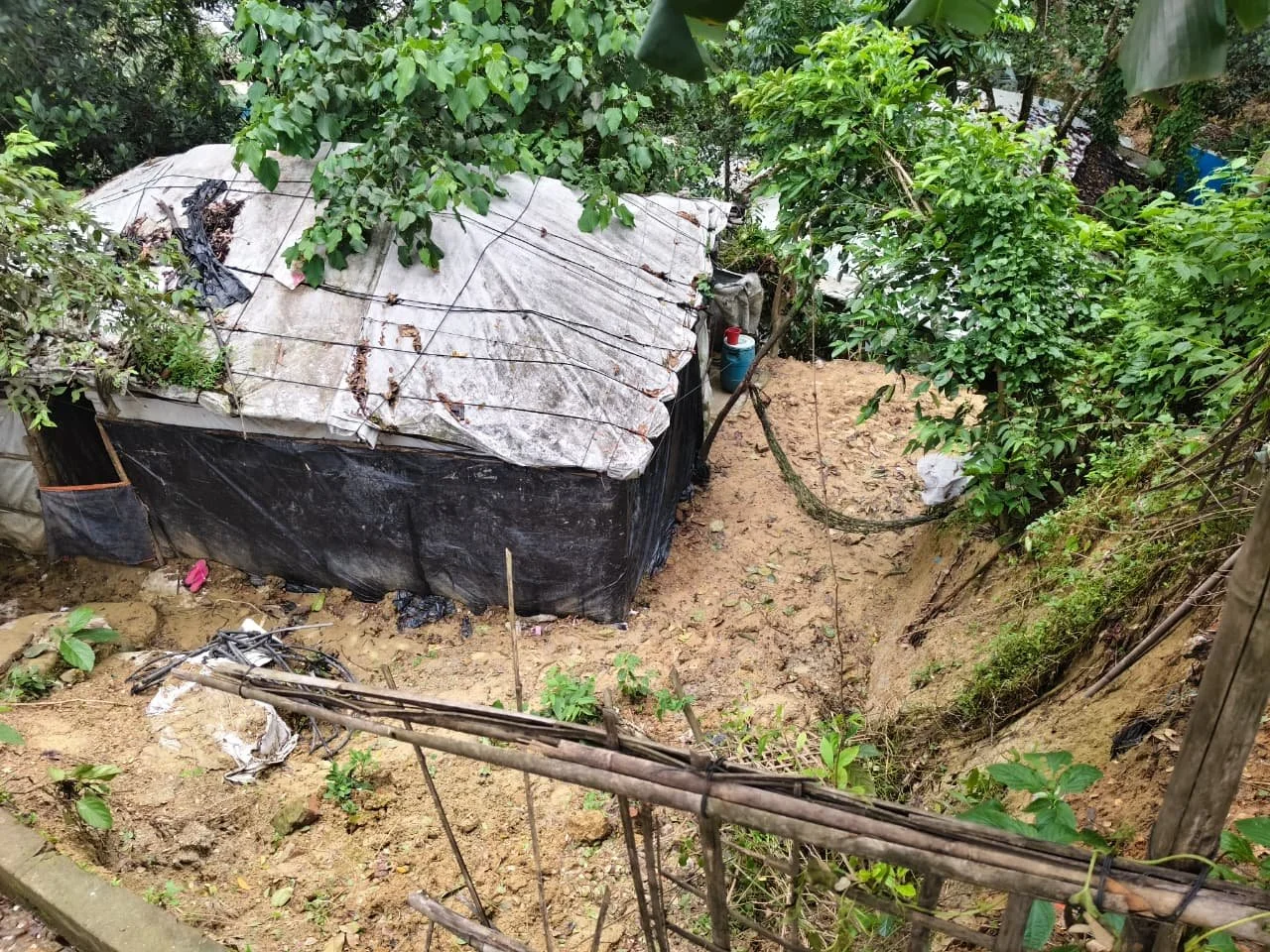
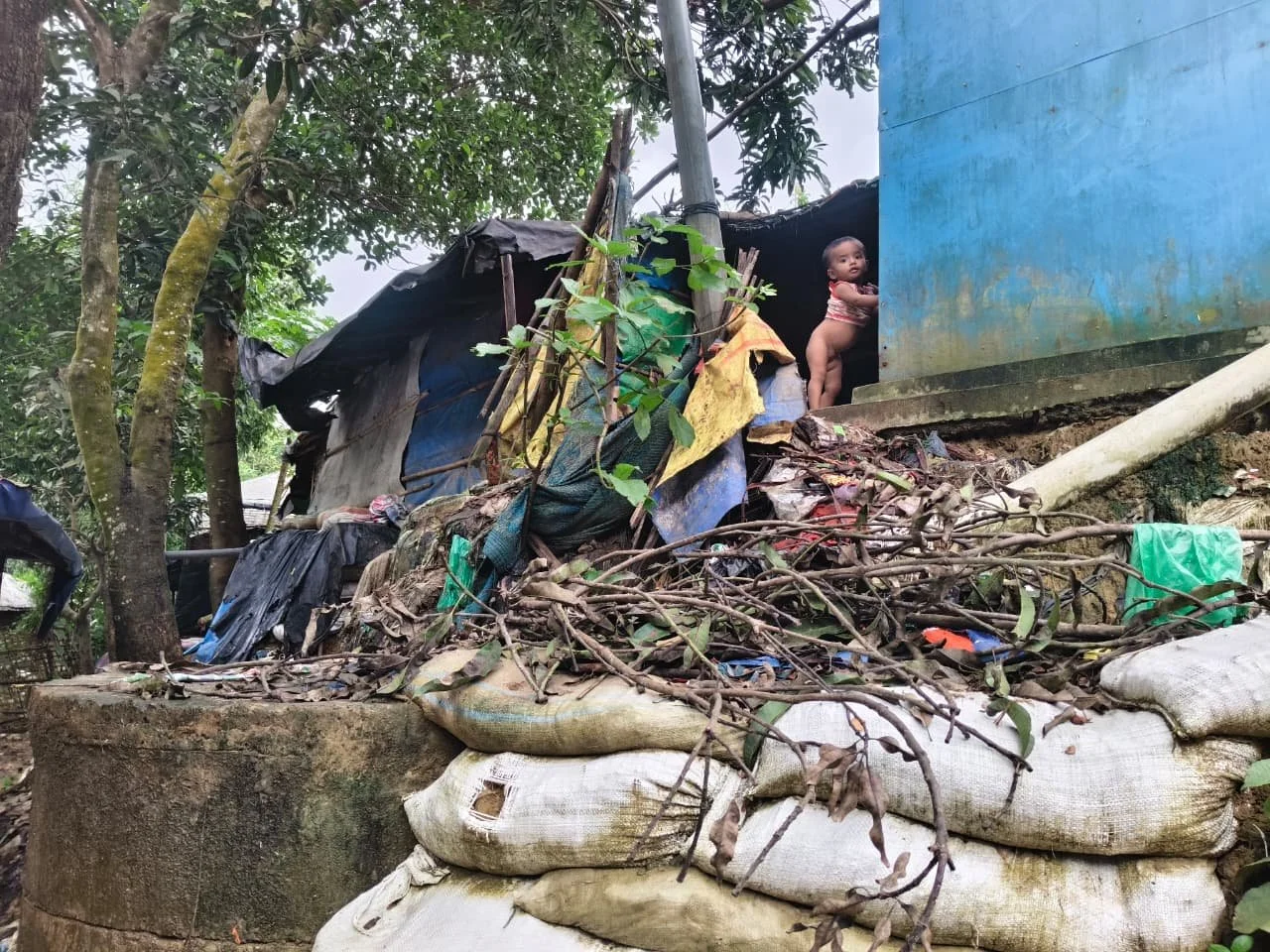
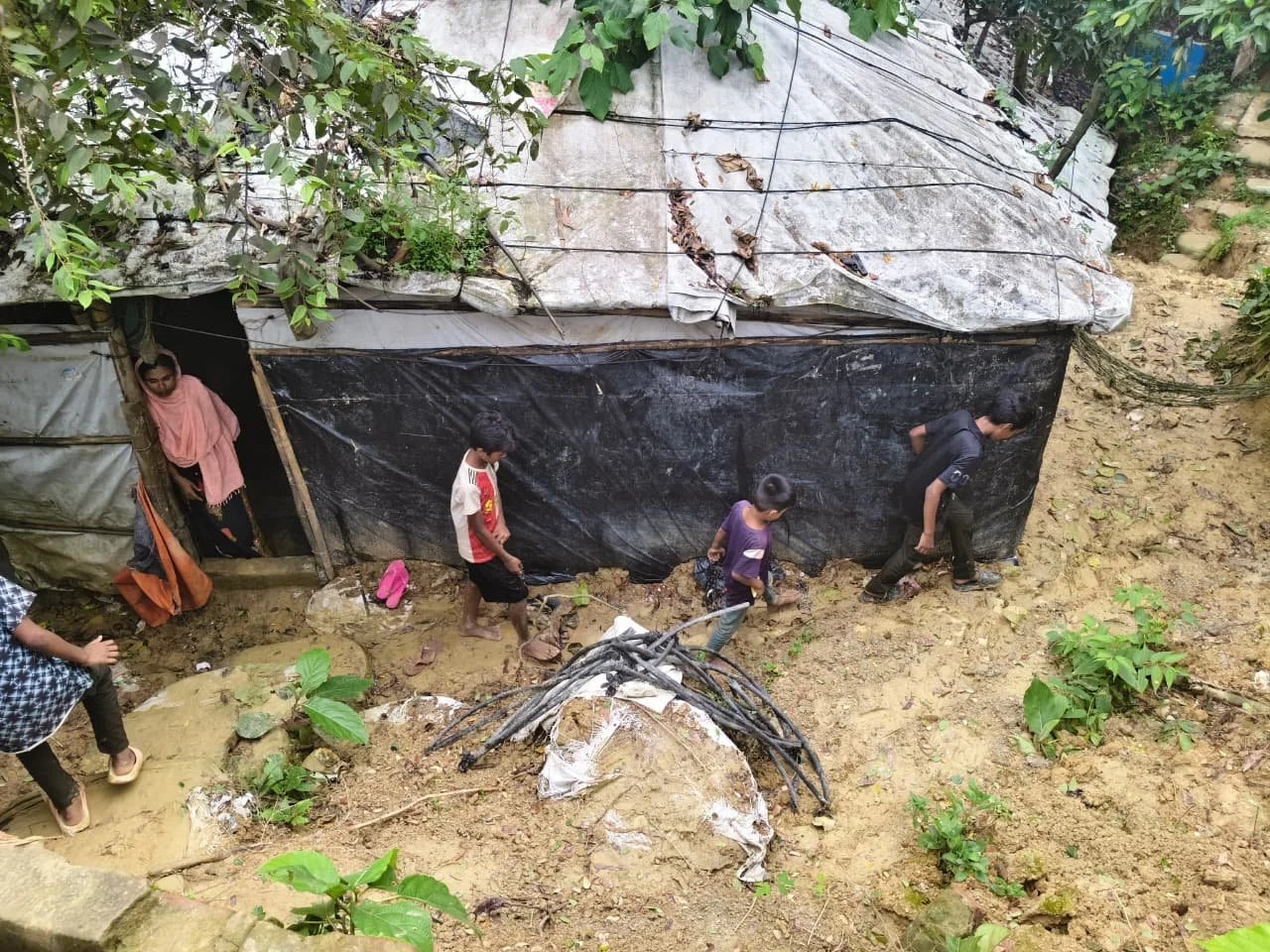
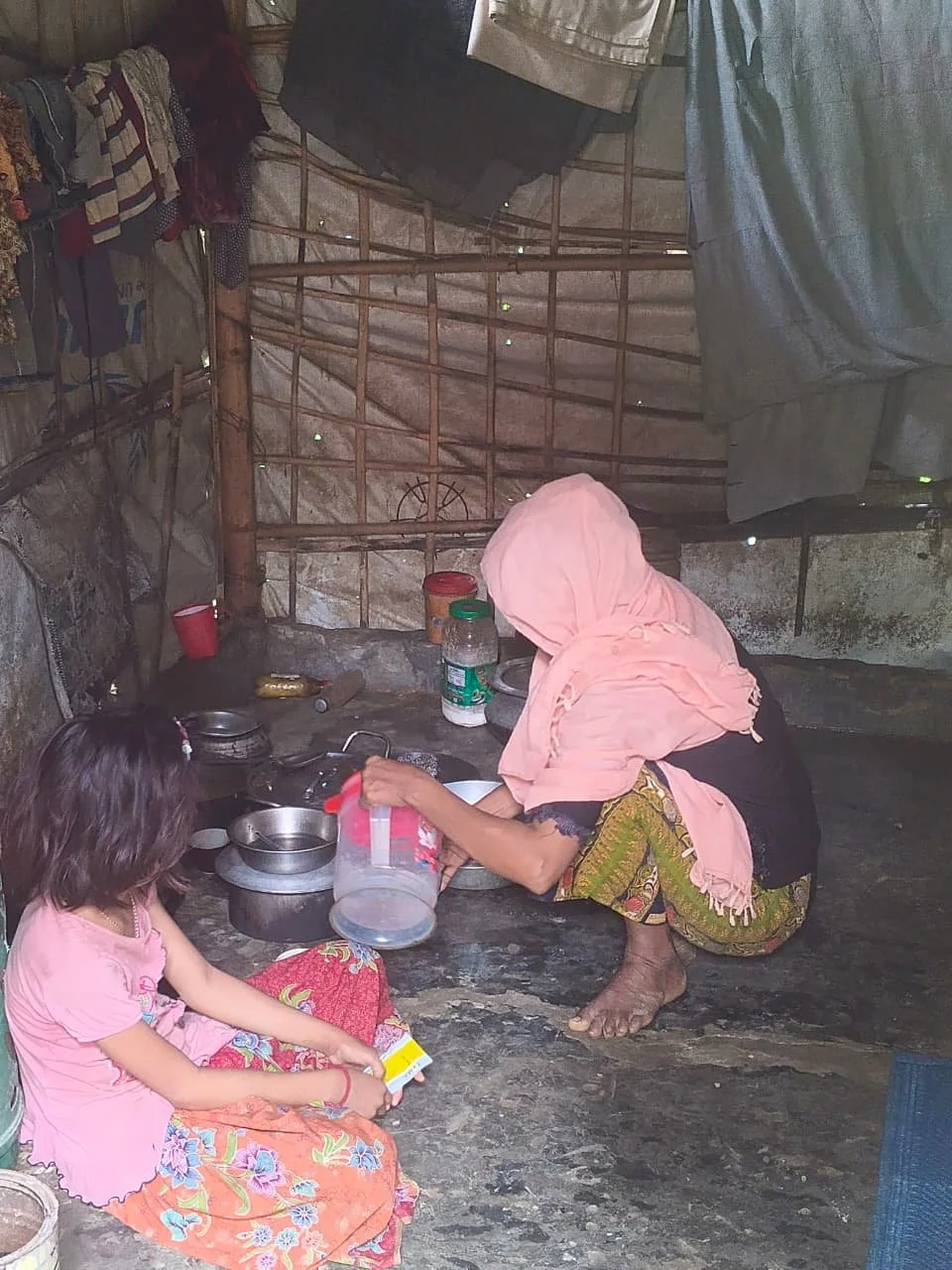
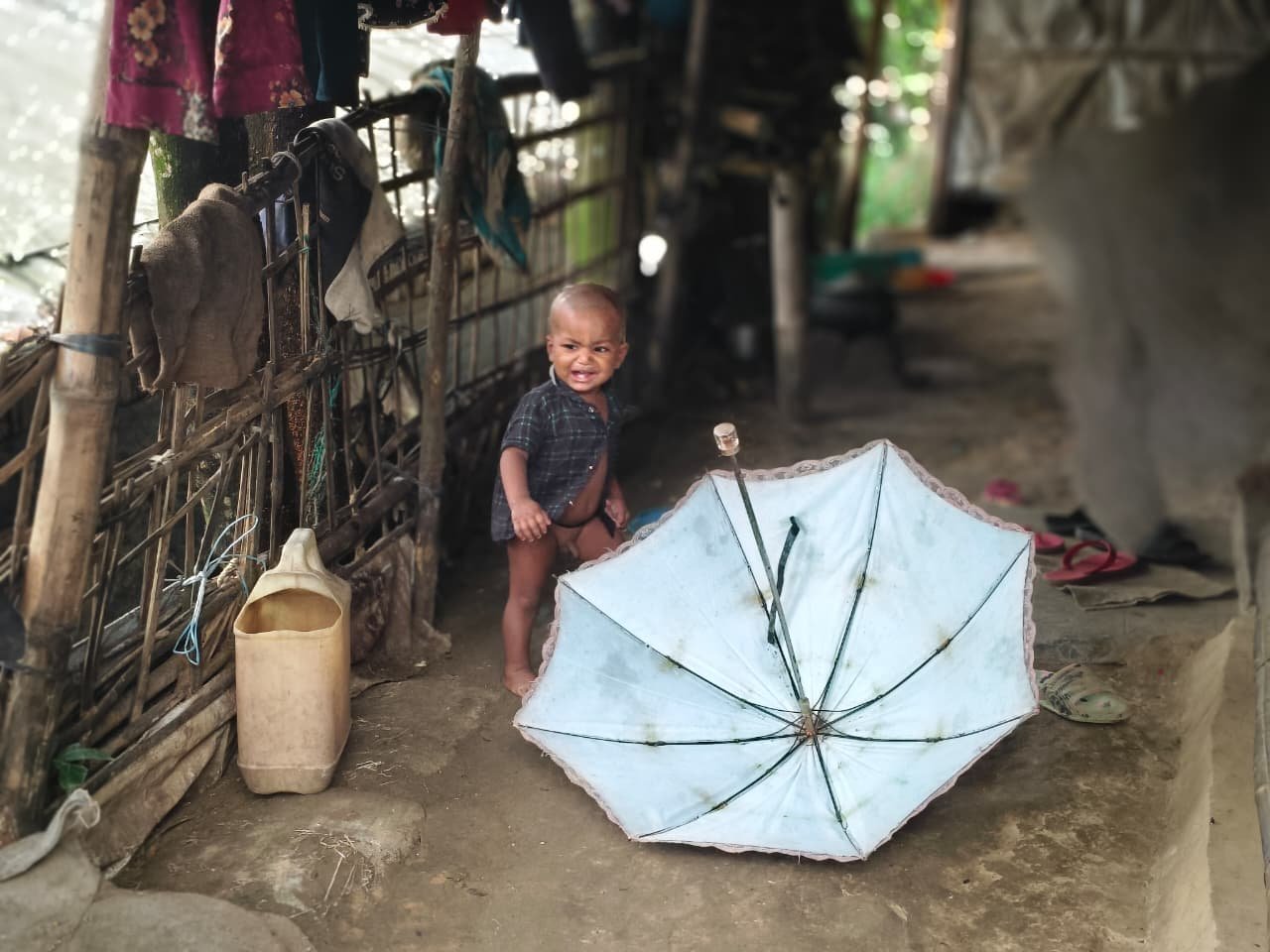
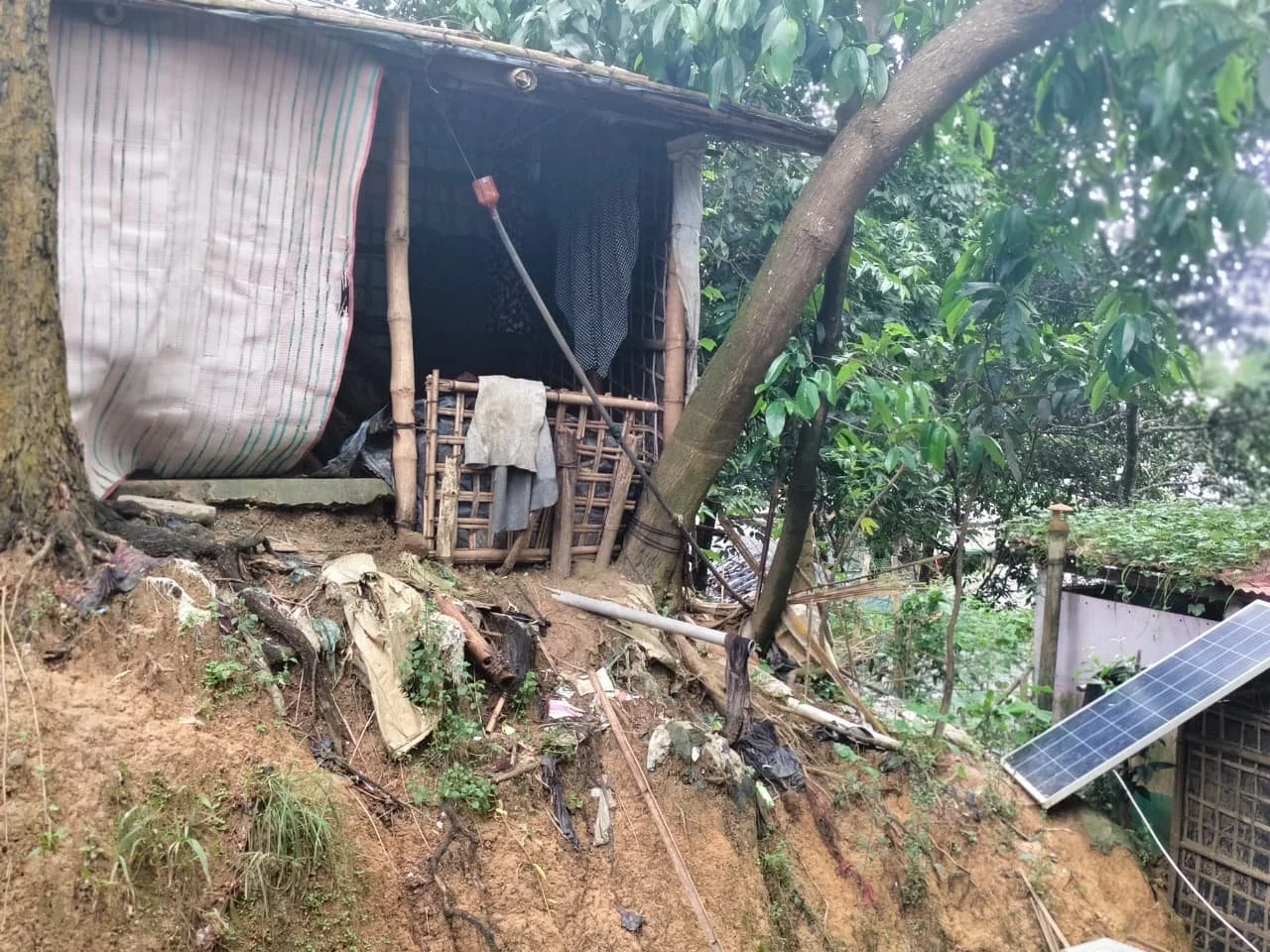
The Urdu speaking community housed in the decrepit camps, have no access to clean water and live on less than a dollar a day. Their entire families live in tiny 8 ft. by 10 ft. tin and bamboo huts; the children don’t go to school so that they can help their parents make a living; they suffer from myriad health issues, including malnutrition; and the living conditions are unsanitary and shameful.
Through a judicious and strategic mix of aid, education, vocational training and self-empowerment initiatives, OBAT aims to improve the lives of these unfortunate people and to replace their misery with happiness, hope and self-worth.
ROHINGYA RELIEF PROGRAM
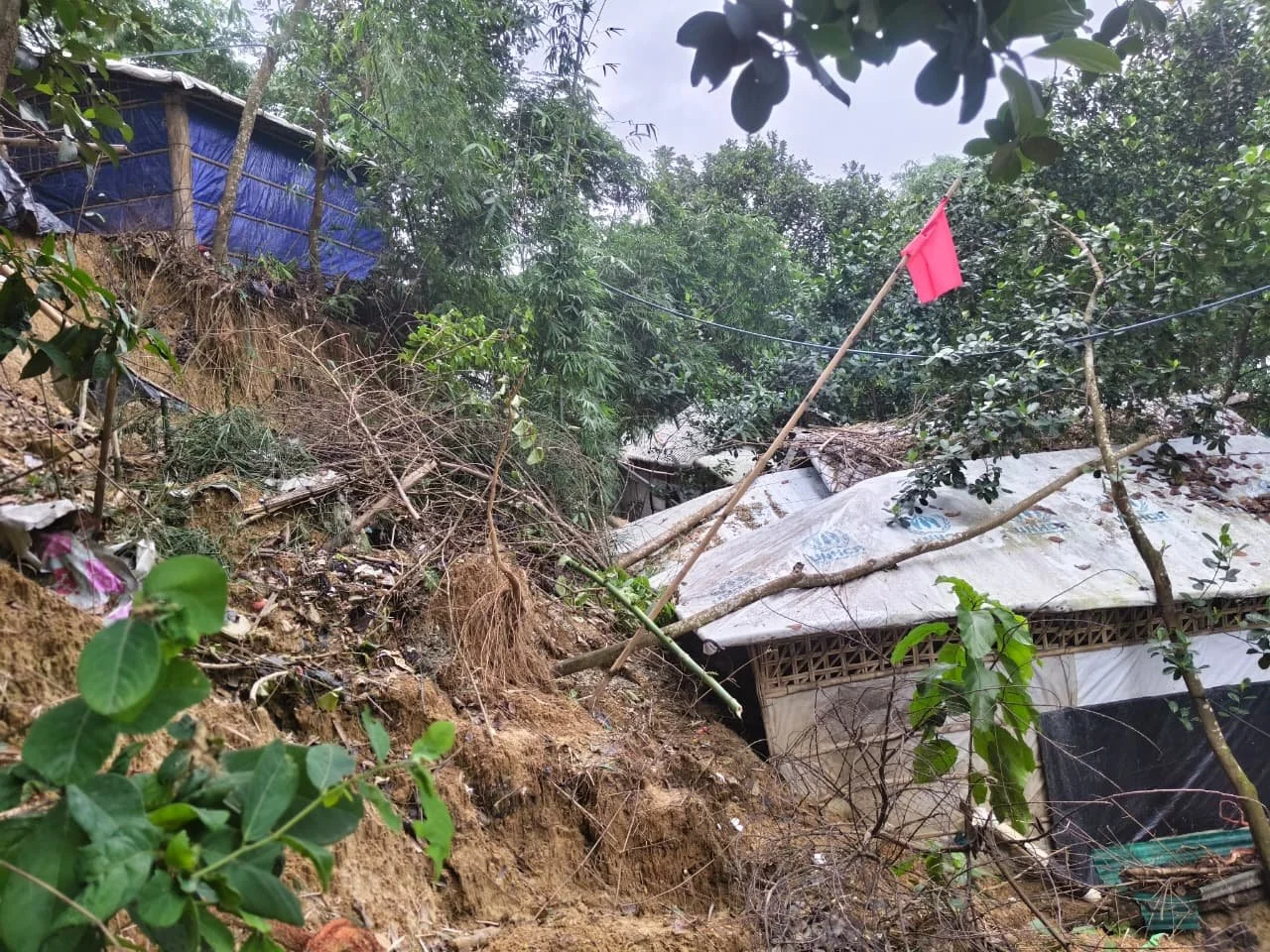
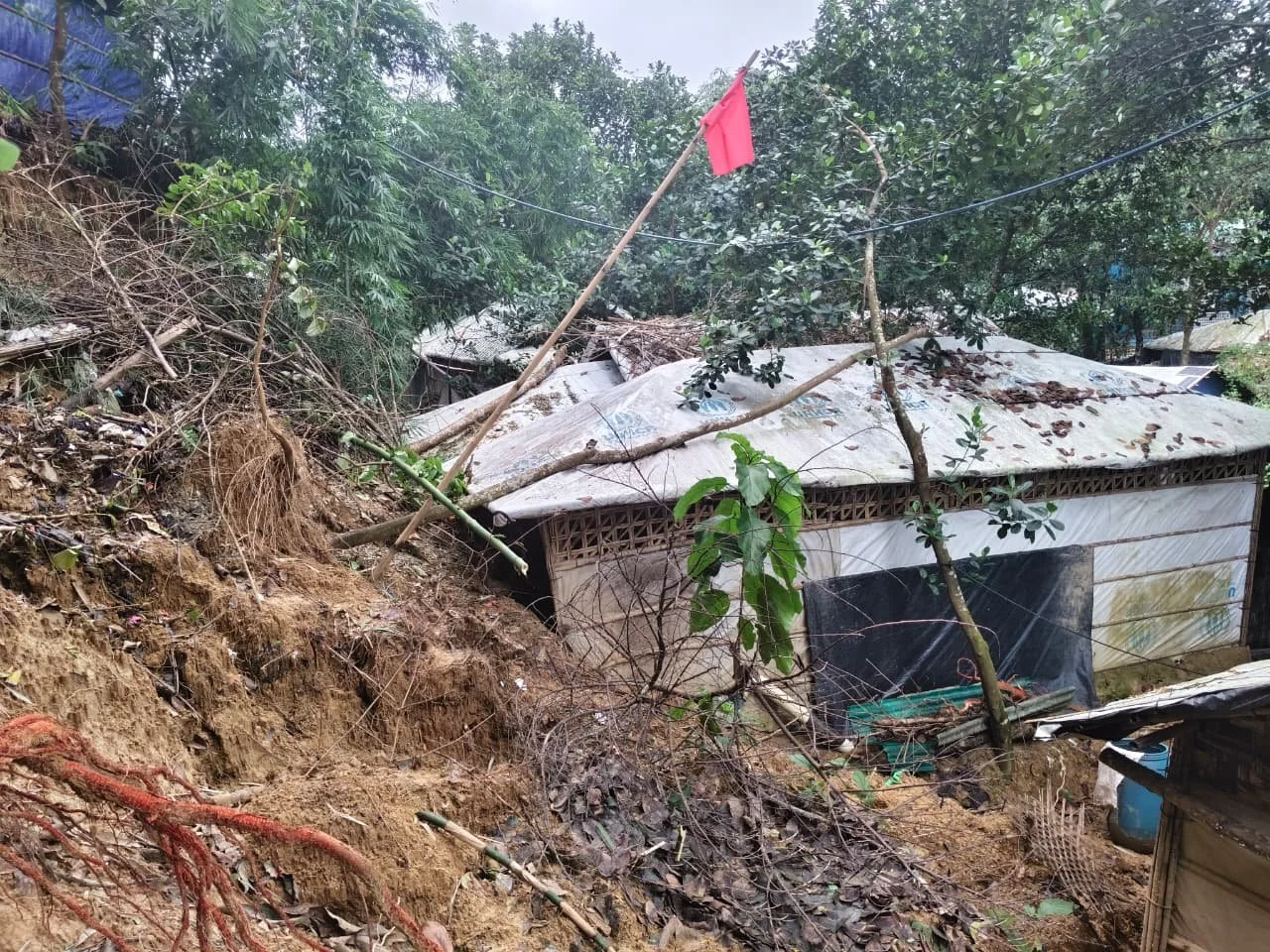
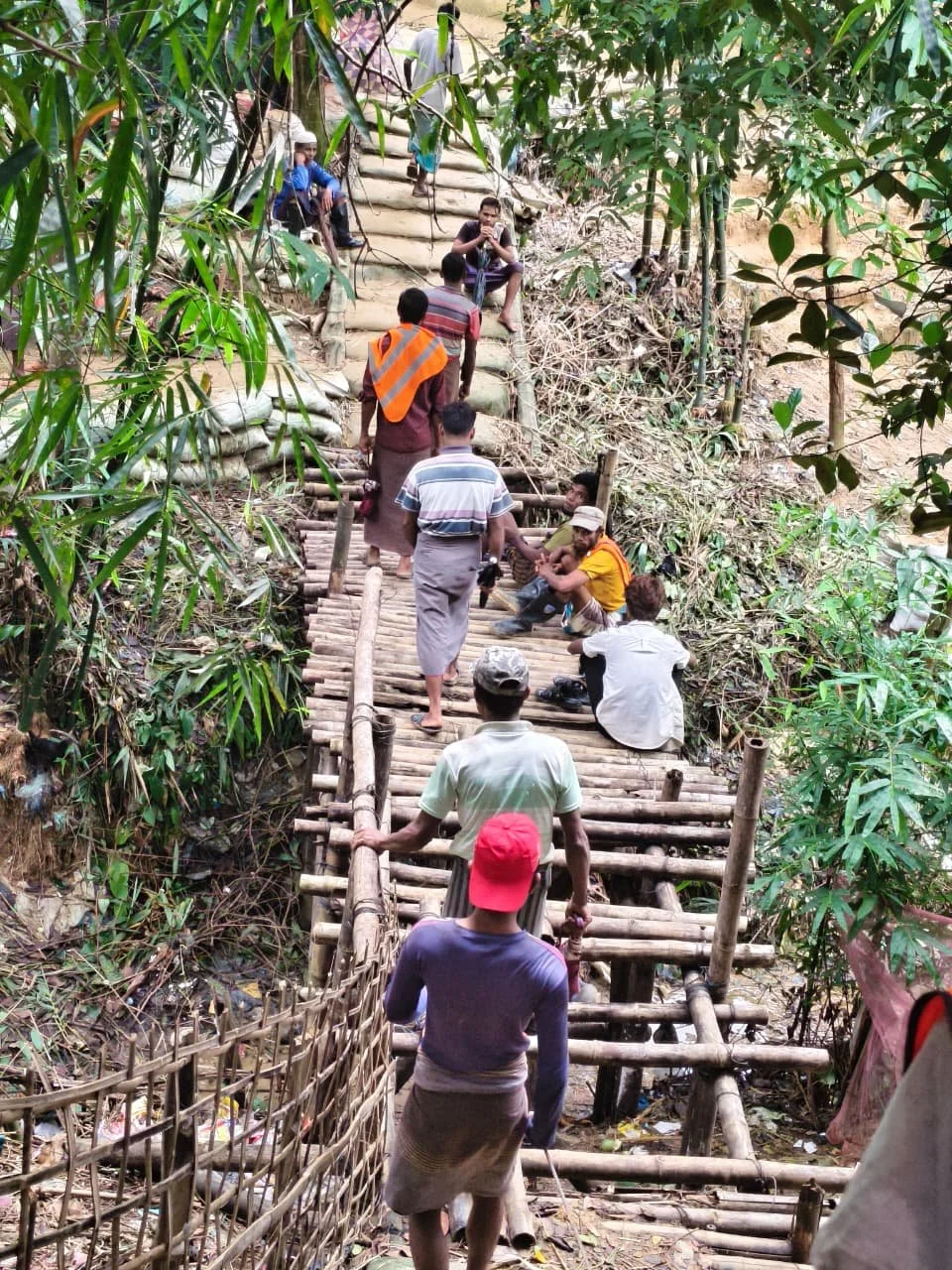
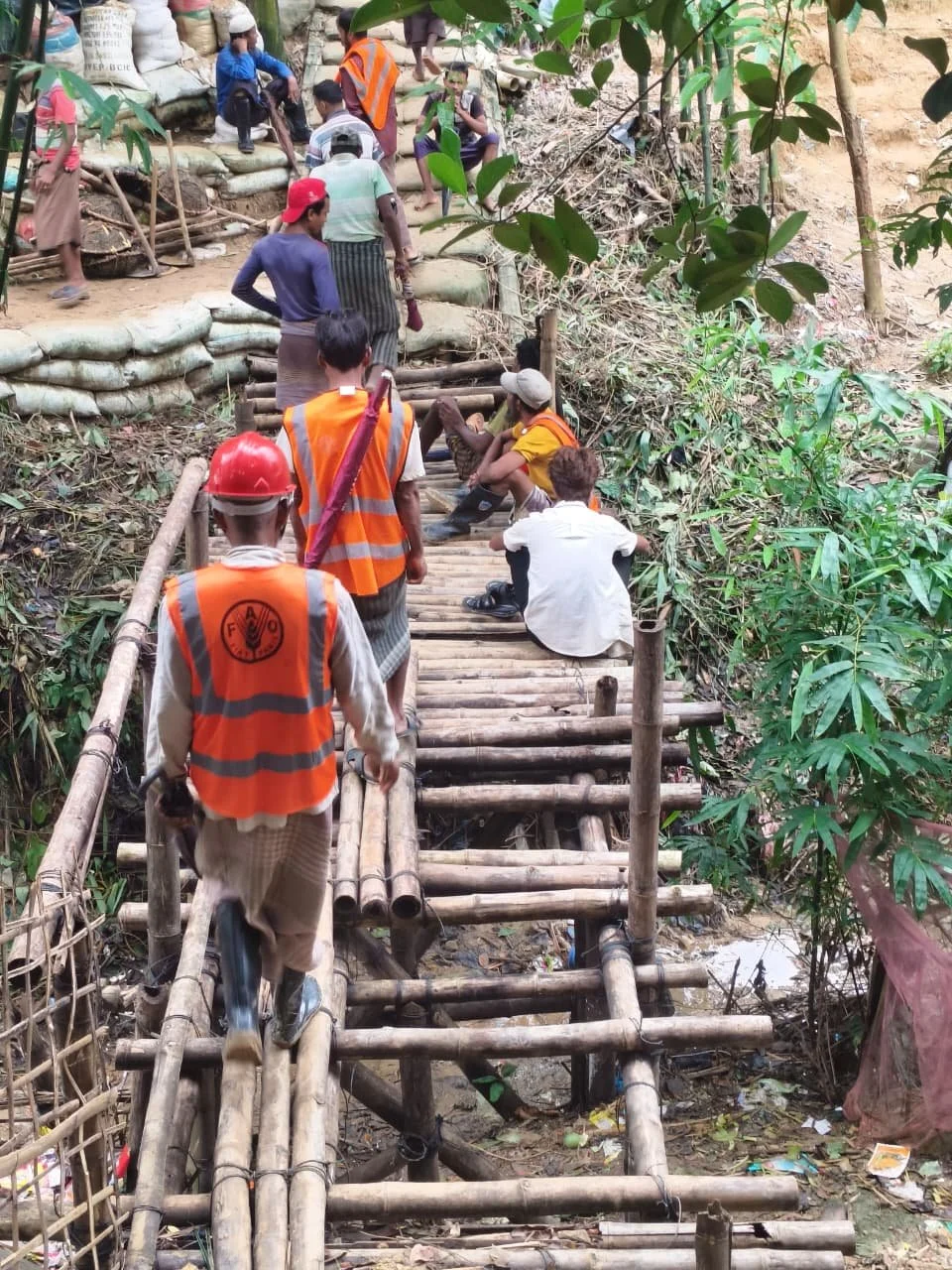
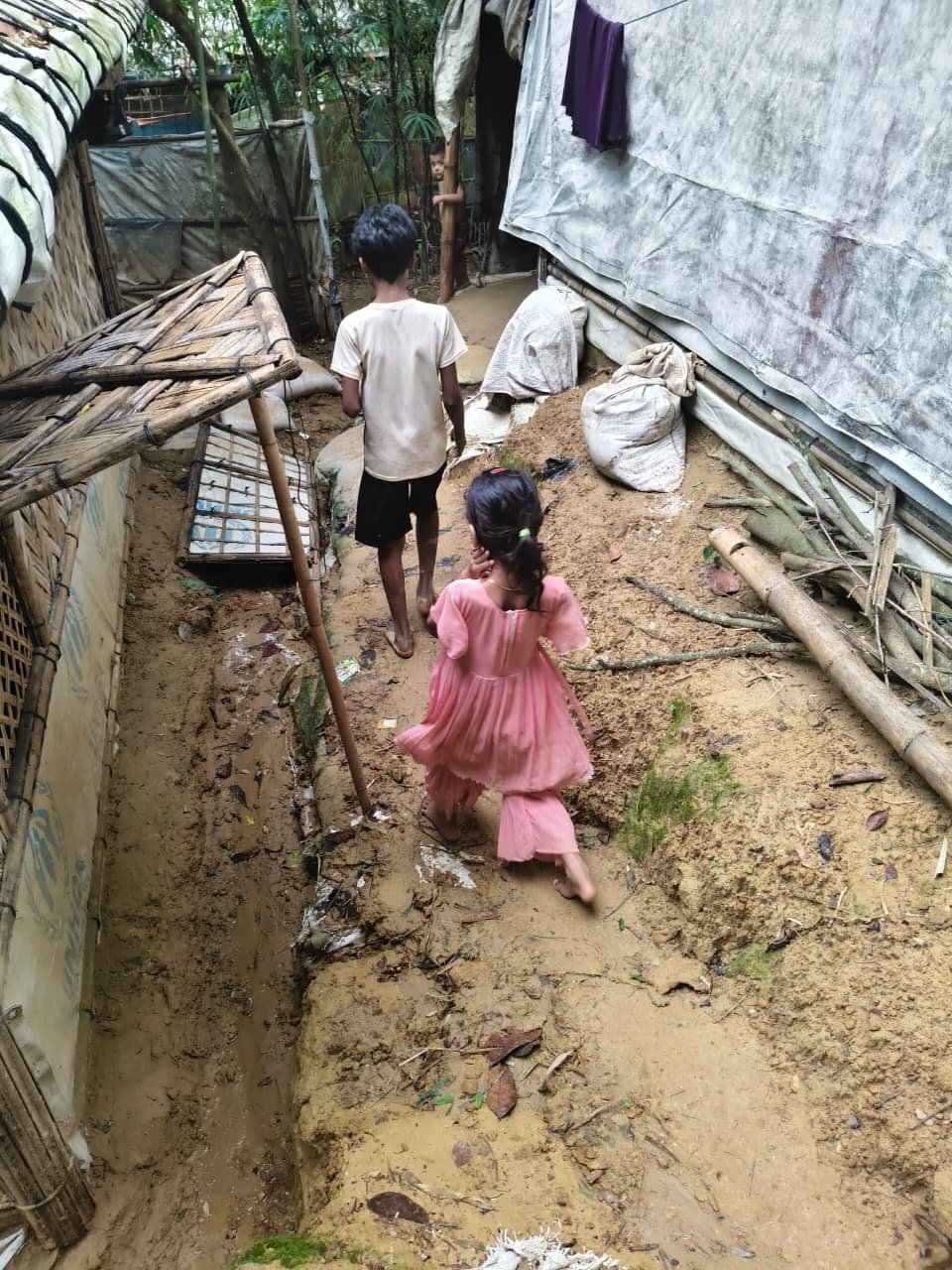
Since October of 2017, OBAT also started responding to the critical situation that came about after an influx of Rohingya refugees who were escaping persecution and genocide in Myanmar, into Bangladesh.
In 2025, OBAT Helpers continued delivering essential healthcare services in Rohingya Camp 4, Cox’s Bazar, reaching over 26,000 patients. Key services included treatment for respiratory infections, skin diseases, diarrheal illnesses, and non-communicable diseases, alongside maternal care, lab services, and emergency referrals.